











Exterior pivot doors
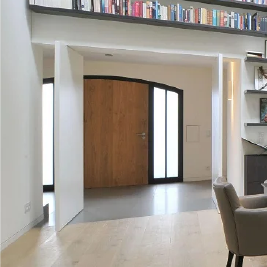
Exterior pivot doors are a way to make a strong first impression for any residential or commercial building. The entrance sets the tone for the rest of the interior. With FritsJurgens pivot hinges, you can design your entrance door in any material: wood, steel, glass, stone or composite, at almost any scale up to 500 kg.
This guide covers everything you need to specify, build and detail an exterior pivot door that performs as well as it looks.
Do you already have everything you need? Get in touch by requesting your pivot door through one of our trusted partners.
Exterior pivot doors with unlimited design
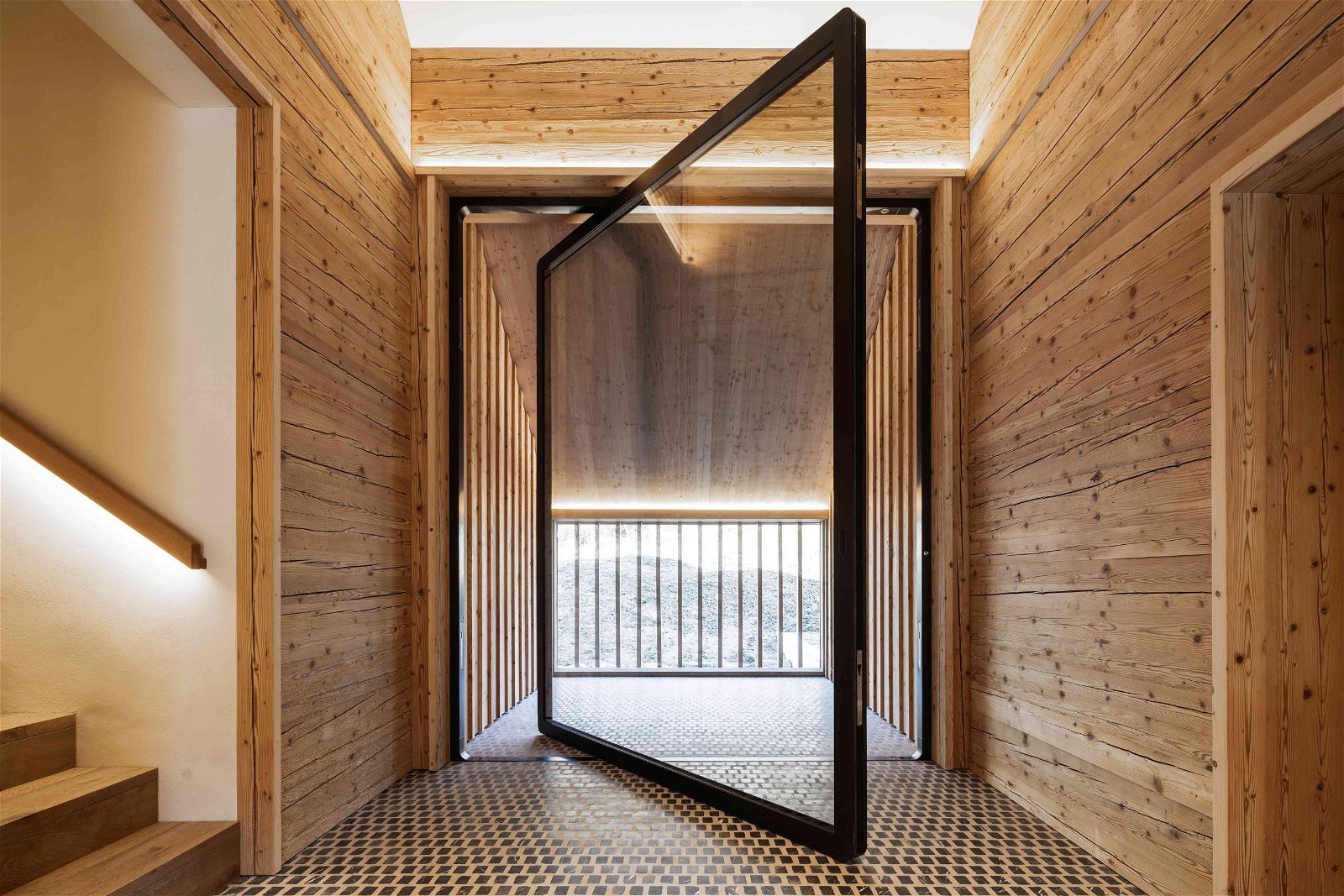
With FritsJurgens pivot hinge systems, the design possibilities for your exterior pivot door are virtually limitless. Your door can be made in any material, from wood to marble, and there is no restriction on door height. System One carries exterior pivot doors up to 500 kg. System M+ makes the door self-closing, with additional control features.
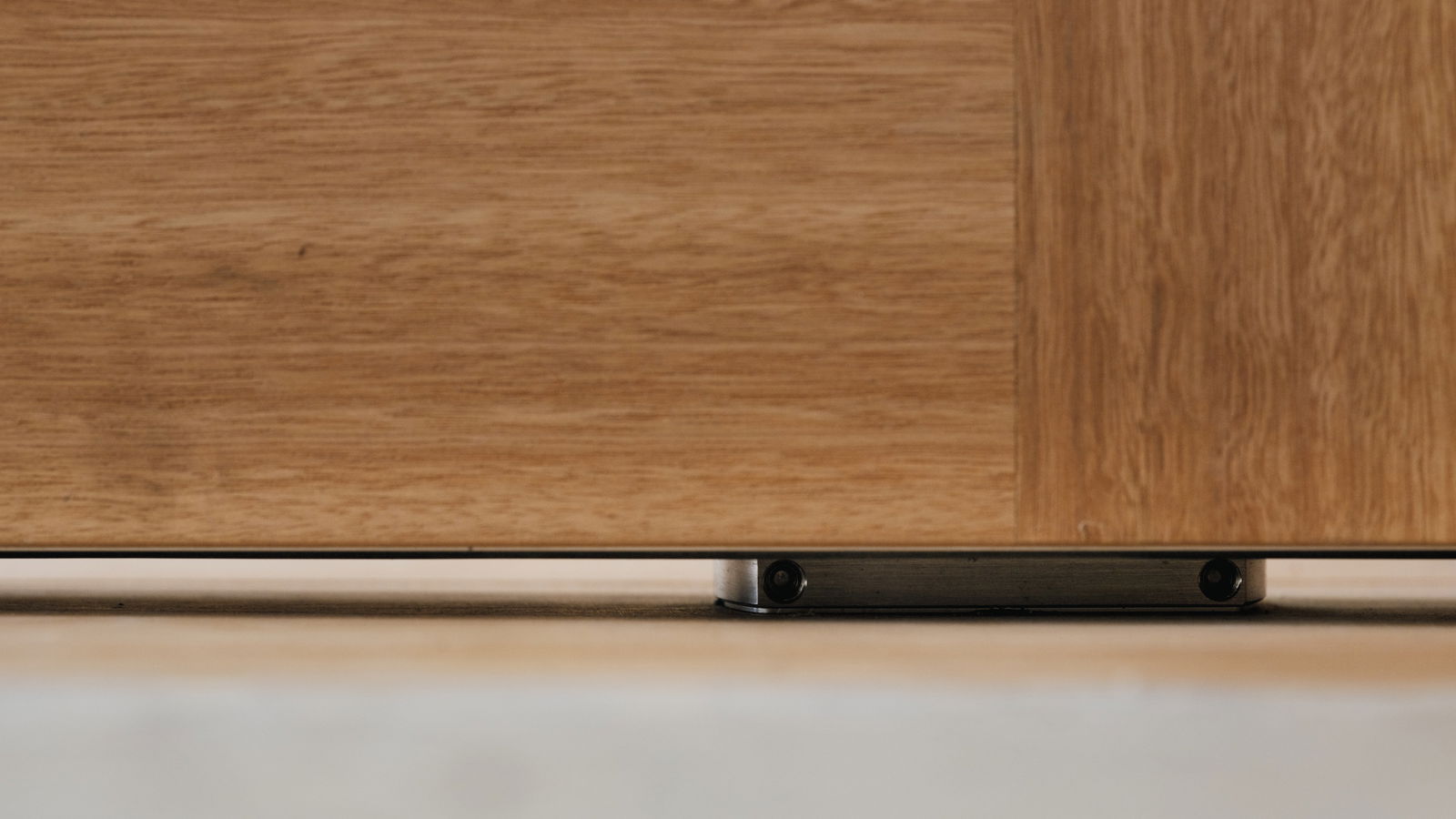
No structural adjustments are needed to the sill. The pivot hinge system is mounted inside the door and rests on a small floor plate. A pivot door creates a clear boundary between indoors and outdoors, without compromising on either side.
Choosing the right system for your exterior pivot door
Not every pivot system suits every exterior door application. The right choice depends on the functions required: self-closing, hold positions, latch engagement or free swing.
| Function required and recommended system | |
|---|---|
| Manual open and close, free swing | System One |
| Hold positions at 90° | System M+ |
| Self-closing with soft-close | System M+ |
| Adjustable latch engagement | System M+ |


What to know about each system in exterior conditions
FritsJurgens System M+
System M+ provides self-closing movement, adjustable Damper Control, 30° Speed Control and Latch Control. It is the preferred choice when a controlled, self-closing entrance is required. For exterior applications, bear in mind that the performance of the opening damping and latch function can be influenced by external conditions such as wind pressure, temperature, and the resistance of seals and locks. Set these expectations clearly at specification stage.
FritsJurgens System One
System One operates as a free-swing pivot. It is designed to overcome all external resistance, making it well suited to exterior doors where seal or lock resistance must not interfere with the pivot movement. System One supports doors from 0 to 500 kg and allows for manually controlled open and closing movement of the door.
FritsJurgens System Fx
System Fx provides four strong hold positions (0°, 90°, 180°, 270°). It is suited to high-traffic entrances where the door needs to stay open. Note: on exterior doors, the 90° hold position can be exceeded by wind pressure if the door opens outward. See the section below on opening direction.
Not sure which hardware you need?
By using our product selector you can easily find out the most suitable product combination for your exterior pivot door.
Weatherproofing your exterior pivot door
A pivot door can be made weatherproof with the right sealing and rebate configuration. It does require careful coordination between the pivot system, the door leaf and the sill detail.
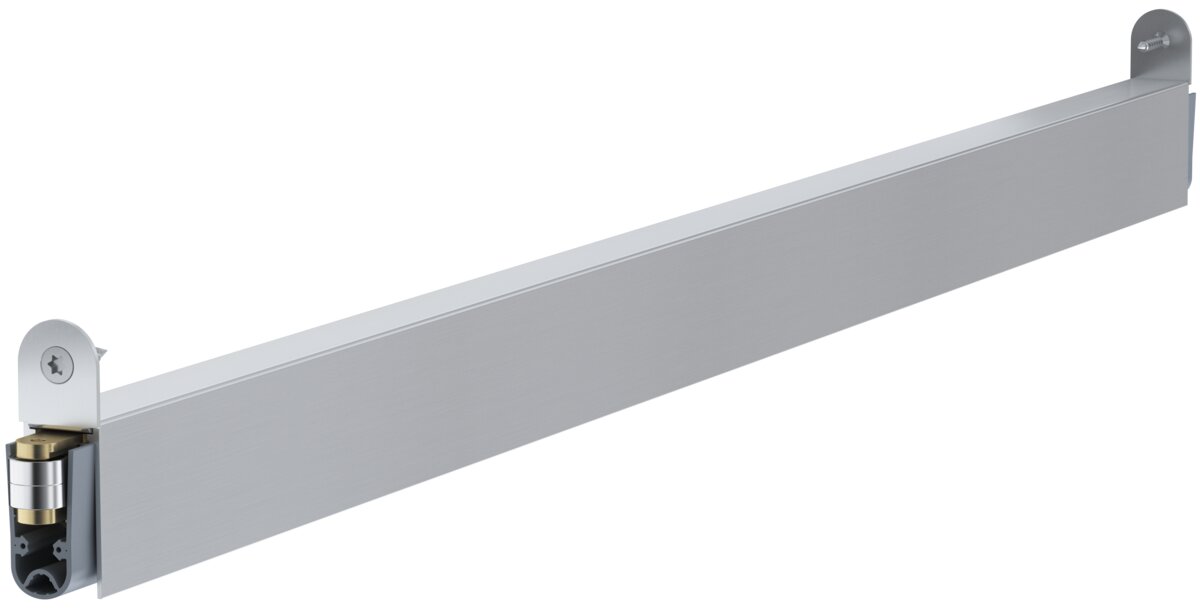
Automatic dropseal
An automatic dropseal descends into position as the door closes, sealing the gap between the door bottom and the floor. For exterior pivot doors, the dropseal must be compatible with the pivot position and the flush floor plate detail.
For exterior pivot doors, use a dropseal specifically designed for pivot applications. Standard dropseals are calibrated for hinged doors and may not perform correctly with pivot geometry. Key selection criteria are: compatibility with the flush floor plate recess depth, seal compression tolerance matching the gap dimensions of your door, and a tested weathering and sound attenuation rating. A single-rebate configuration is a well-suited starting point for most FritsJurgens products. Always verify the manufacturer's tolerance requirements against the gap dimensions of your specific door.
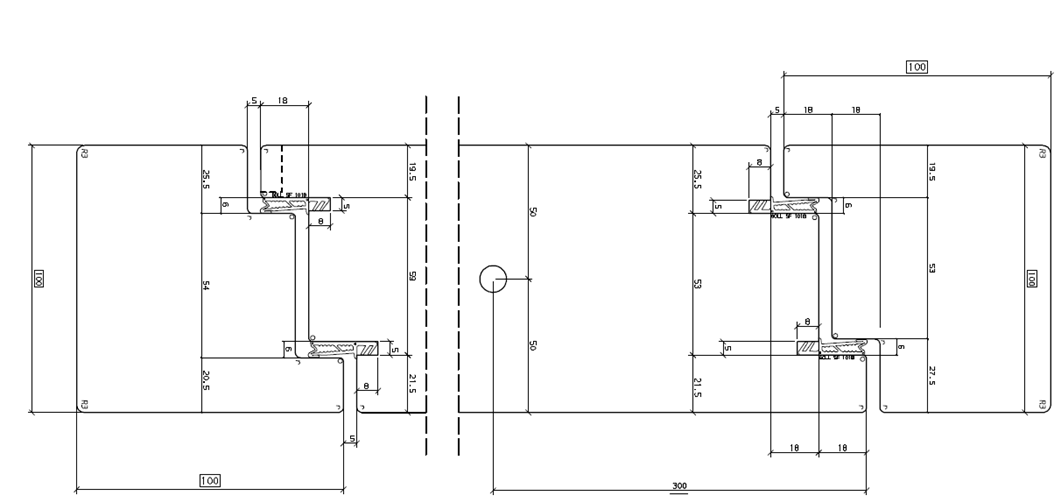
Rebate configurations
- Single rebate: Simpler detail, suited to sheltered entrance applications
- Double rebate: Higher weatherproofing performance, recommended for exposed facades
The rebate detail must account for the turning seam. This is the gap that opens as the door rotates, and it needs to be detailed correctly. FritsJurgens works with specialist partners experienced in detailing for pivot movement.
Opening direction and your pivot door specification
The opening direction of an exterior pivot door depends on building type, local regulations, and project context. Requirements vary by jurisdiction. Always confirm the correct opening direction with the project architect or a local building code consultant before finalising the specification.
What opening direction means for your specification
In many markets, residential front doors conventionally open inward. In others, outward opening is the norm, shaped by climate, spatial customs, or fire safety tradition. Neither direction is universally correct. What matters for your specification is confirming the local convention, any regulatory requirements that apply, and the practical consequences for the pivot system you are using.
Residential and commercial buildings
In commercial and high-occupancy buildings, local building codes commonly require egress doors to open in the direction of travel. Where this applies to a pivot entrance, the typical approach is to provide a separate, compliant emergency exit alongside the pivot door. Egress requirements vary by building type and jurisdiction. Confirm the requirements for your project with the project architect or building control authority.
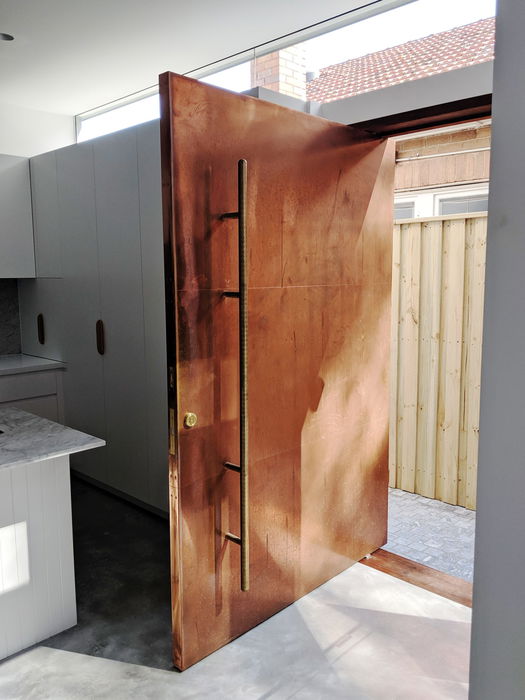
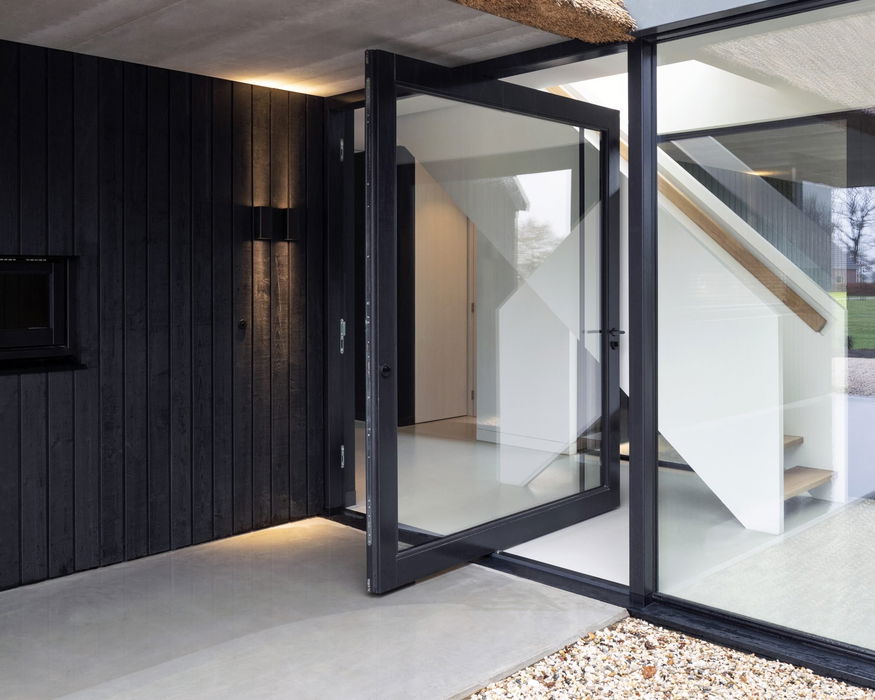
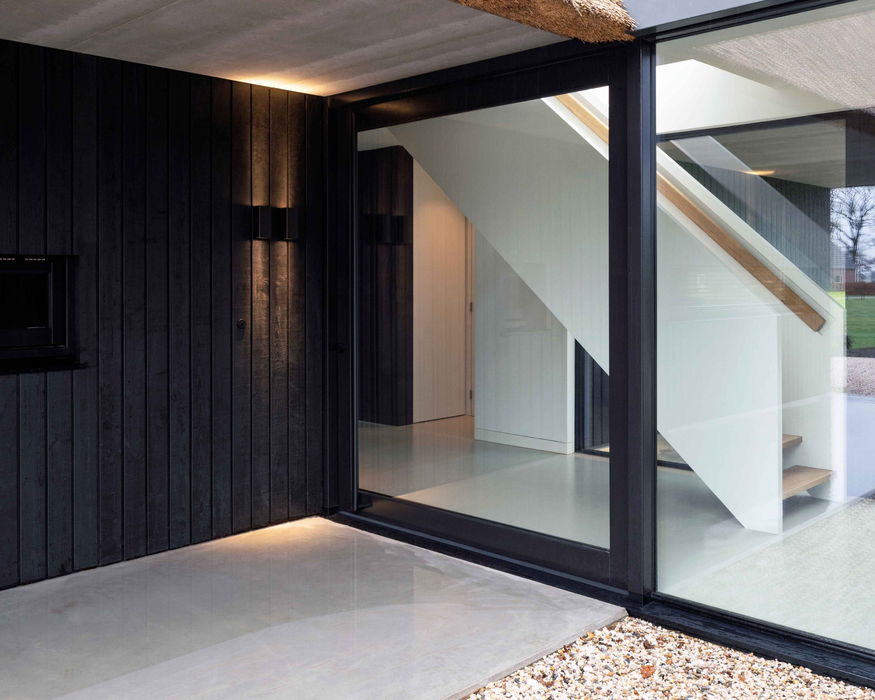
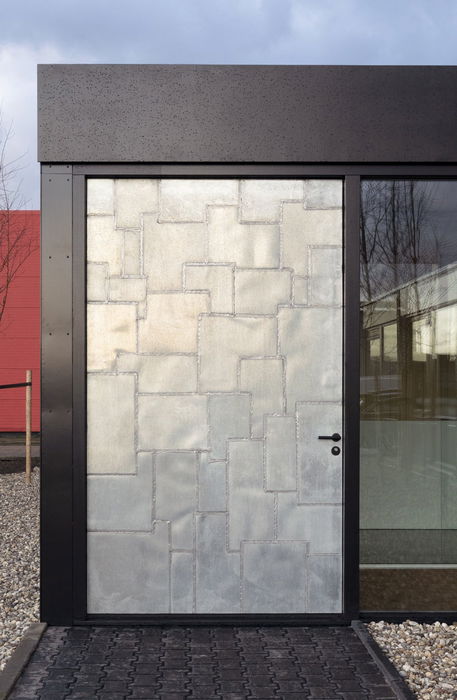
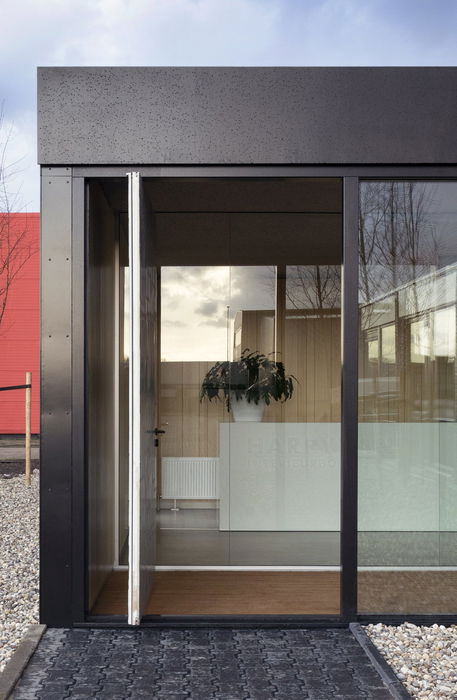
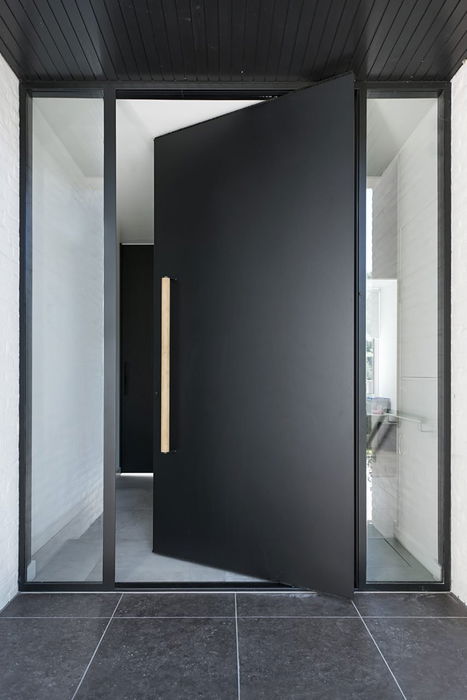
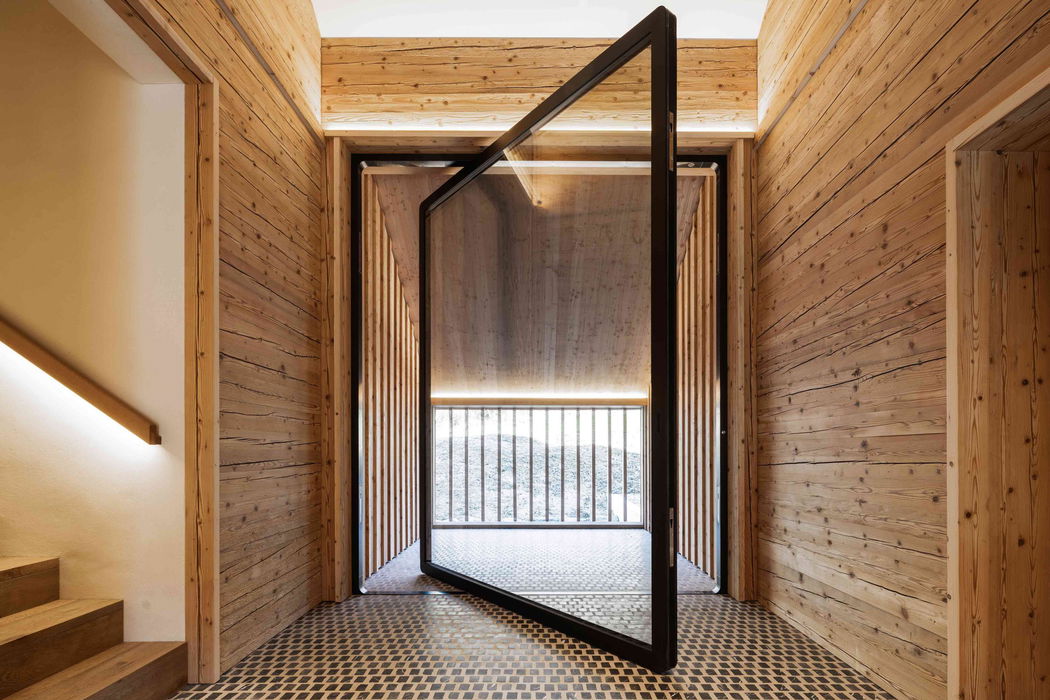
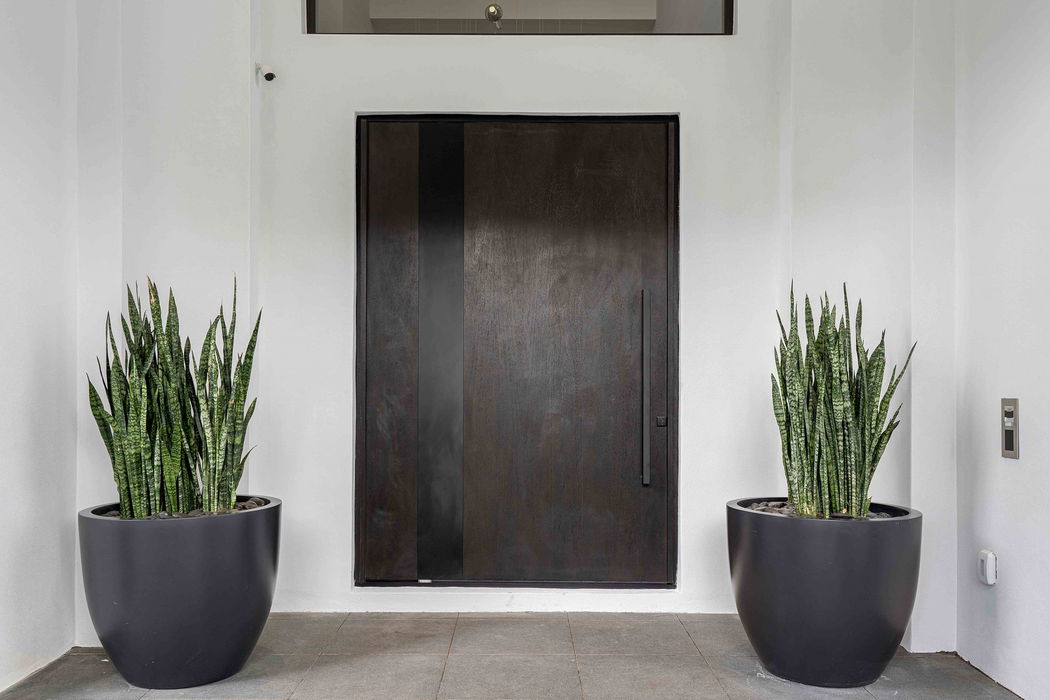
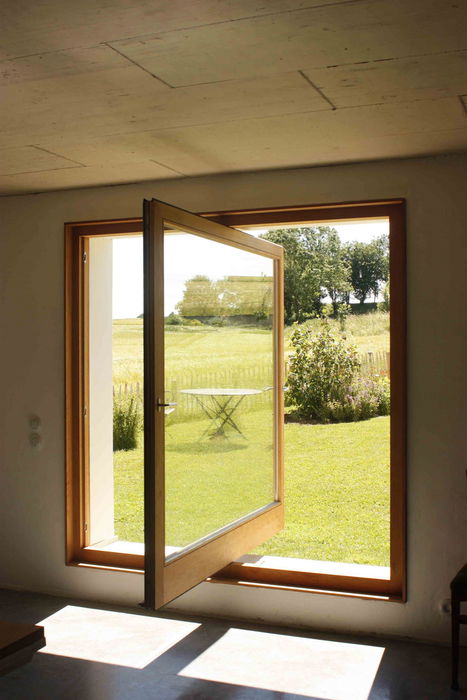
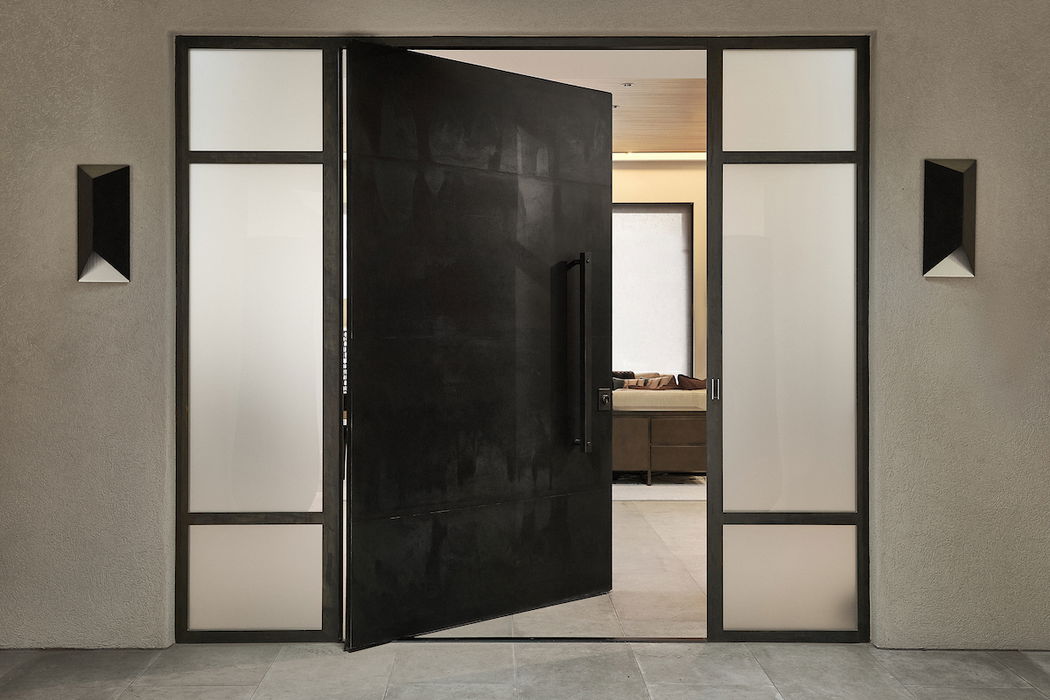
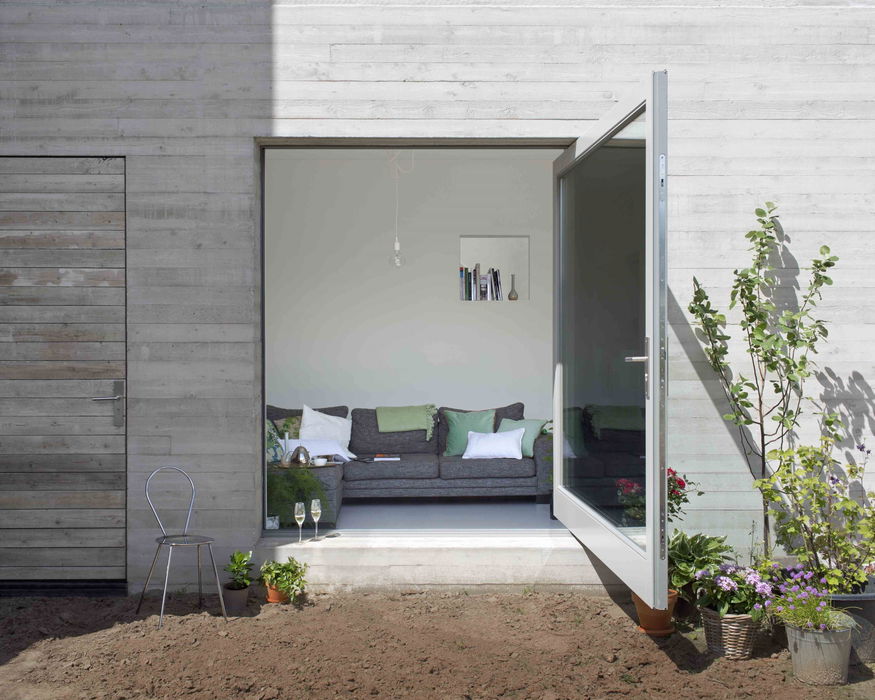
Exterior pivot door examples

Floor plate selection for exterior pivot doors
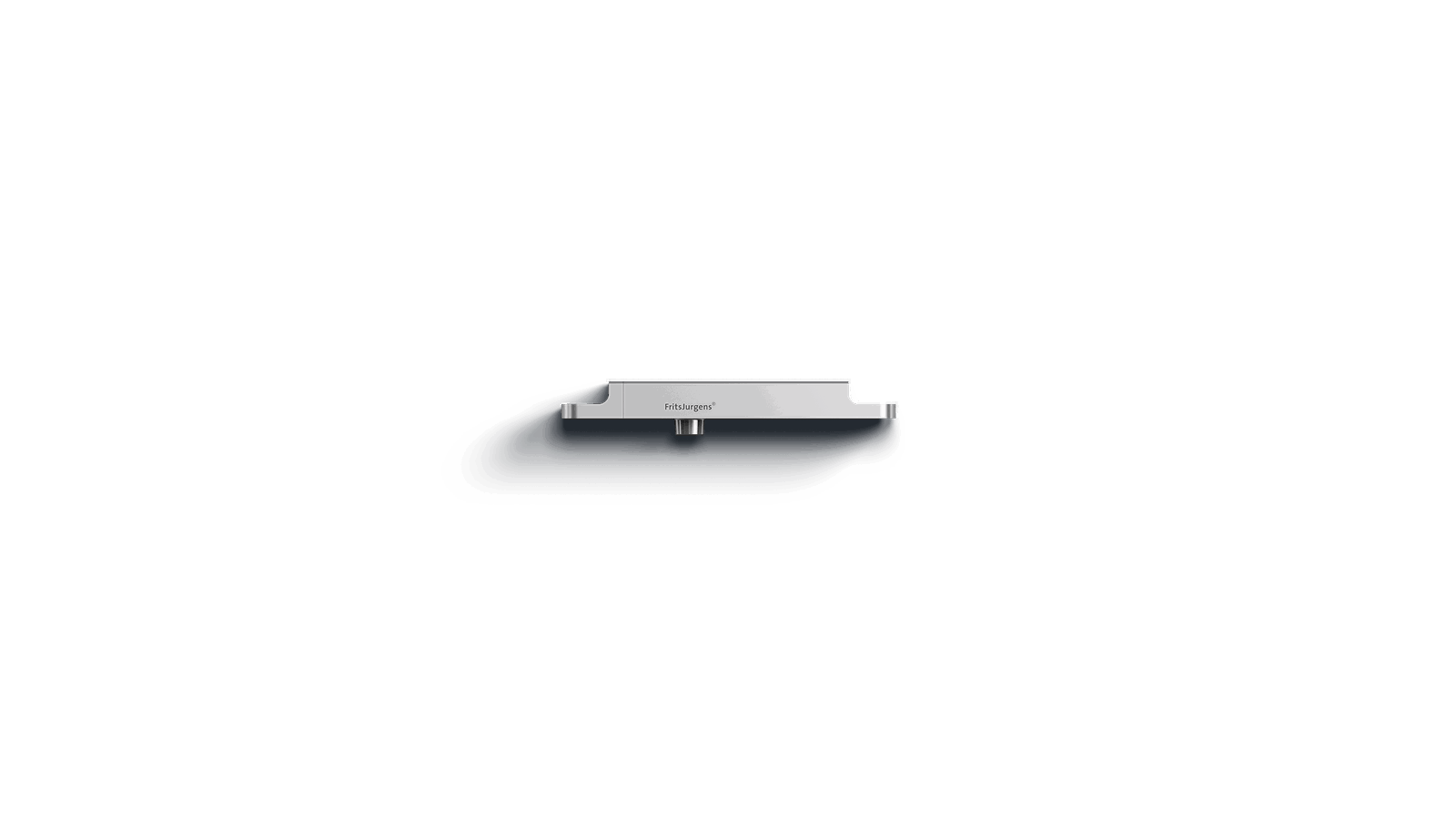
For exterior use, always specify a Flush floor plate. Standard floor plates sit proud of the floor surface and will collide with an automatic dropseal as the door closes, damaging both the seal and the plate over time.
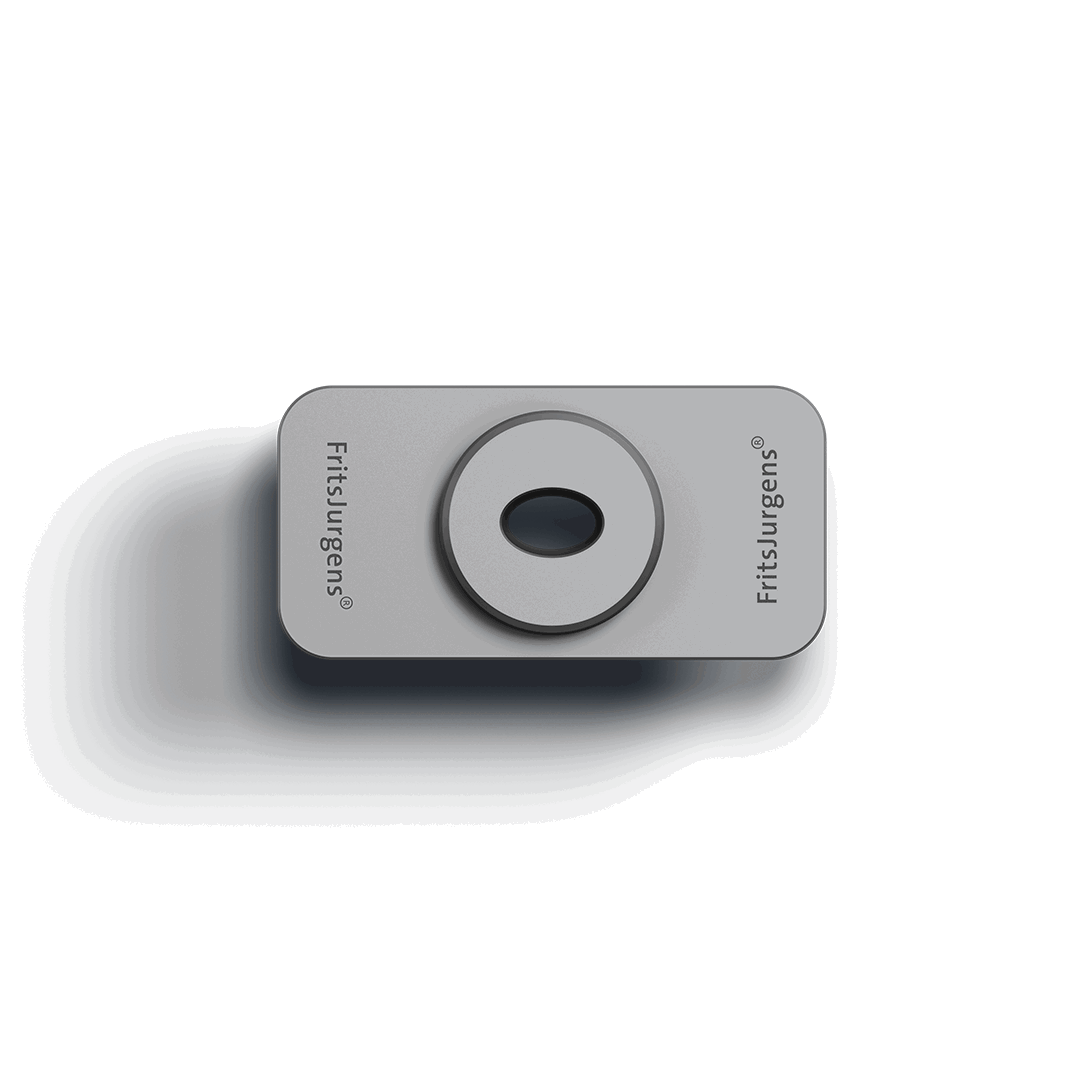
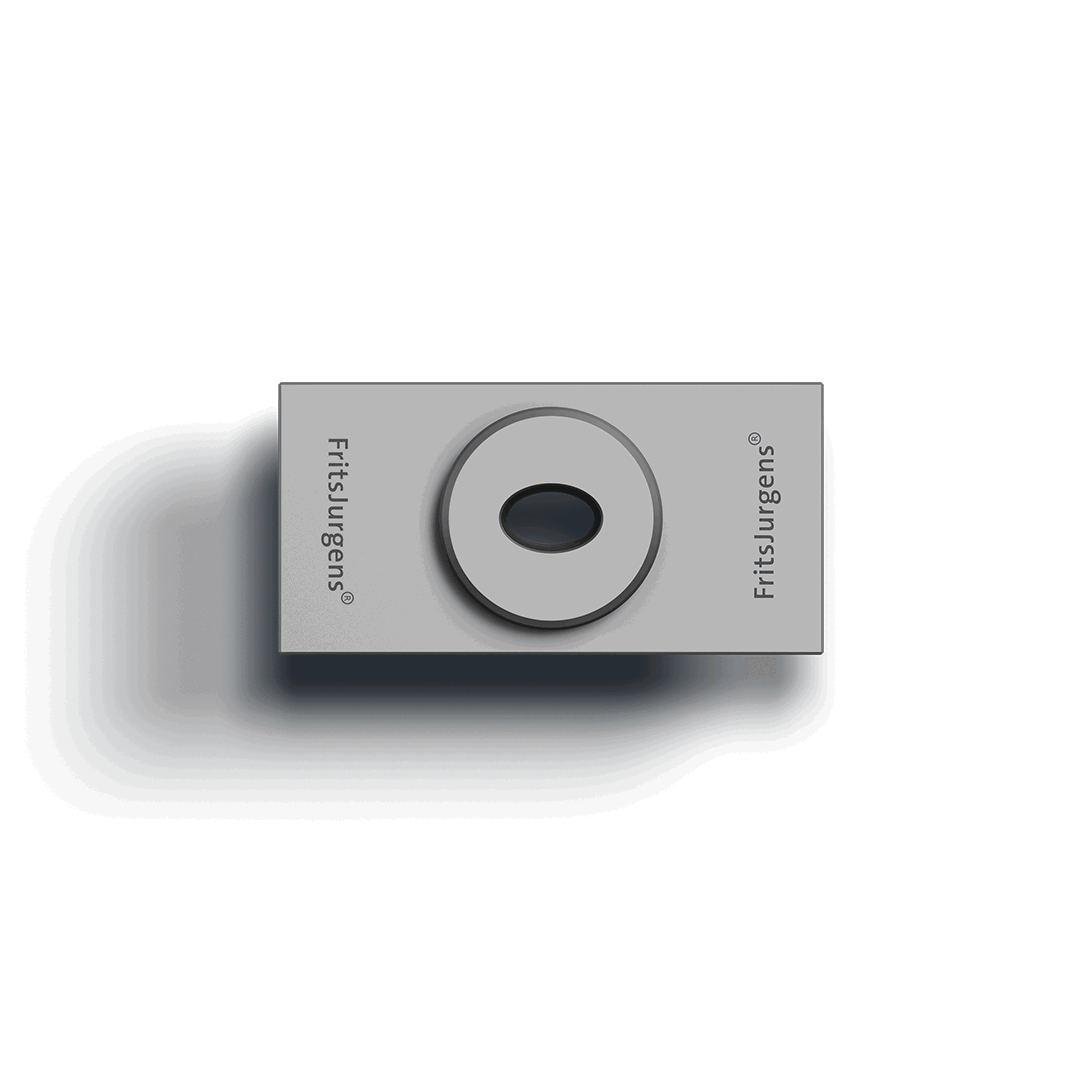
Flush floor plates recess fully into the floor, clearing the dropseal path completely. Two variants are available:
- Floor plate Flush Squared (FS): For aluminium sills. The squared profile aligns with the geometry of metal threshold systems.
- Floor plate Flush Rounded (FR): For wooden or stone sills. The softened profile suits natural material thresholds.
Both variants are available in stainless steel (SS) or PVD Black (BK), machined from hardened 420 stainless steel. The floor plate is recessed only 8 mm. No structural modification to the sill is required.
When the door is mounted on soft surfaces like wood or mortar you can use the 30 mm pins instead of the 8 mm pins for proper fastening.
Entry pivot door hardware
Modern entrance doors often integrate smart locks, electronic access control or architectural lighting. FritsJurgens pivot hinge systems support full electrification through top pivots with an integrated cable grommet, allowing wiring to pass invisibly through the door.
The following top pivot models support cable grommet electrification:
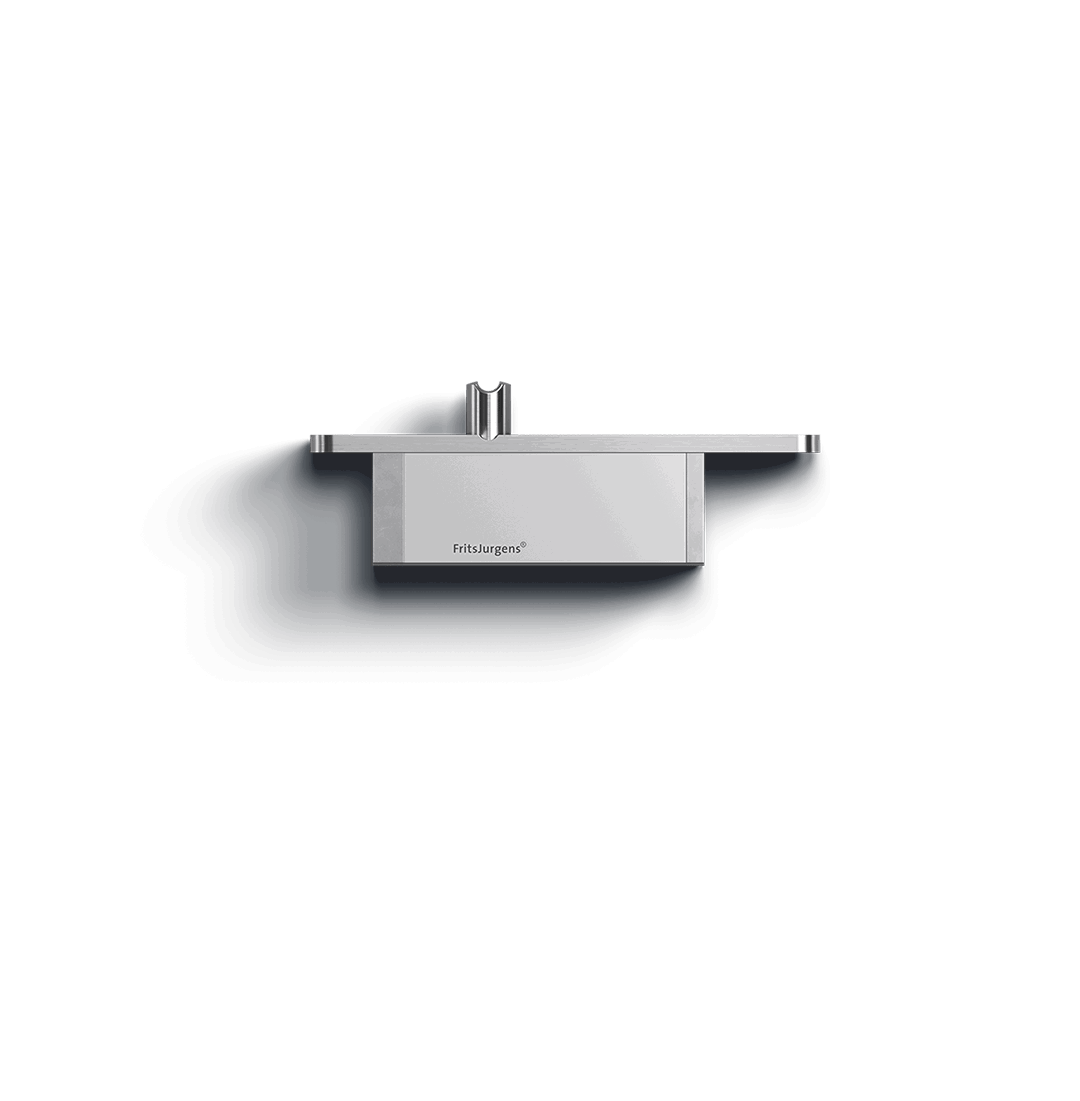
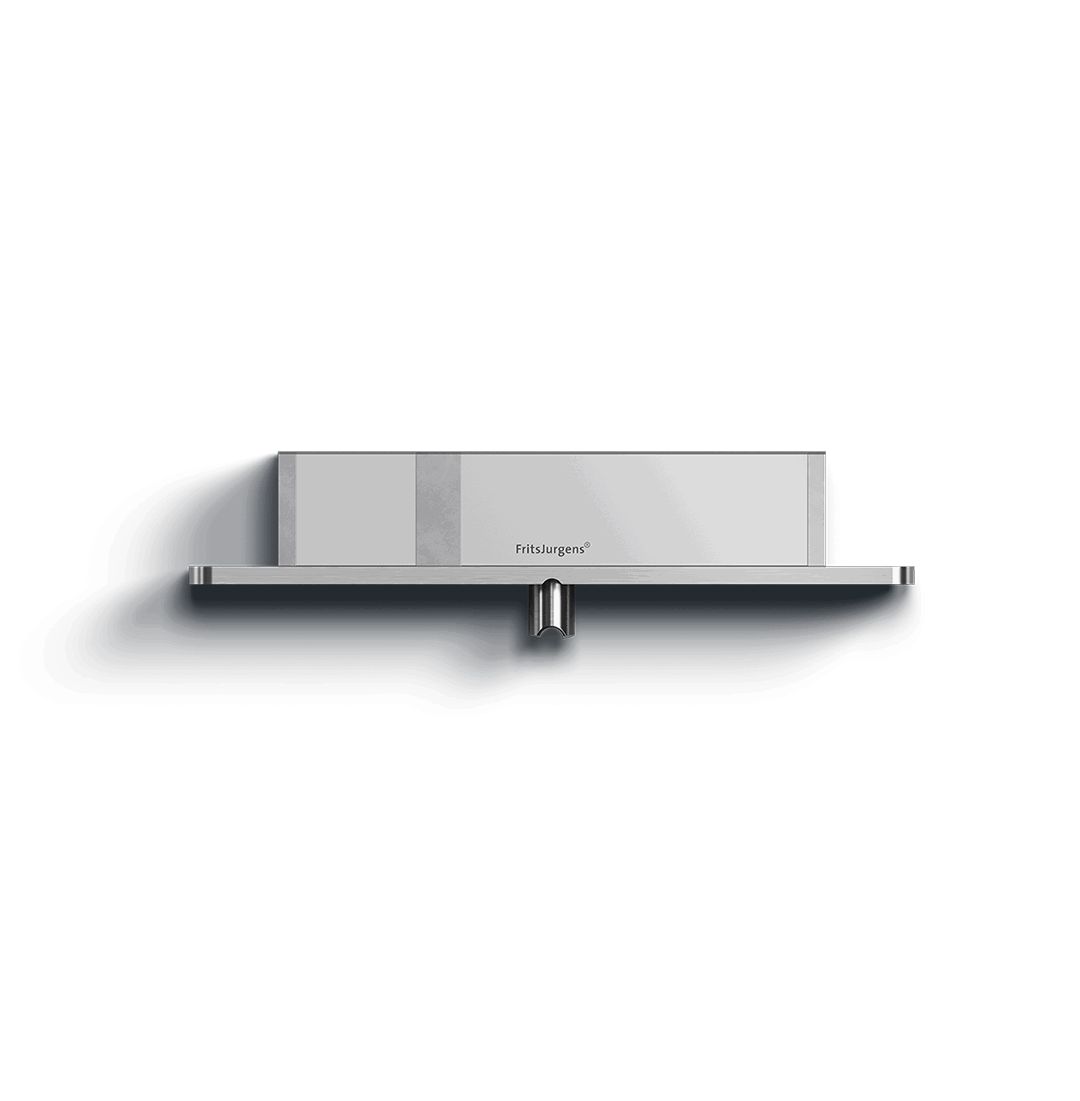
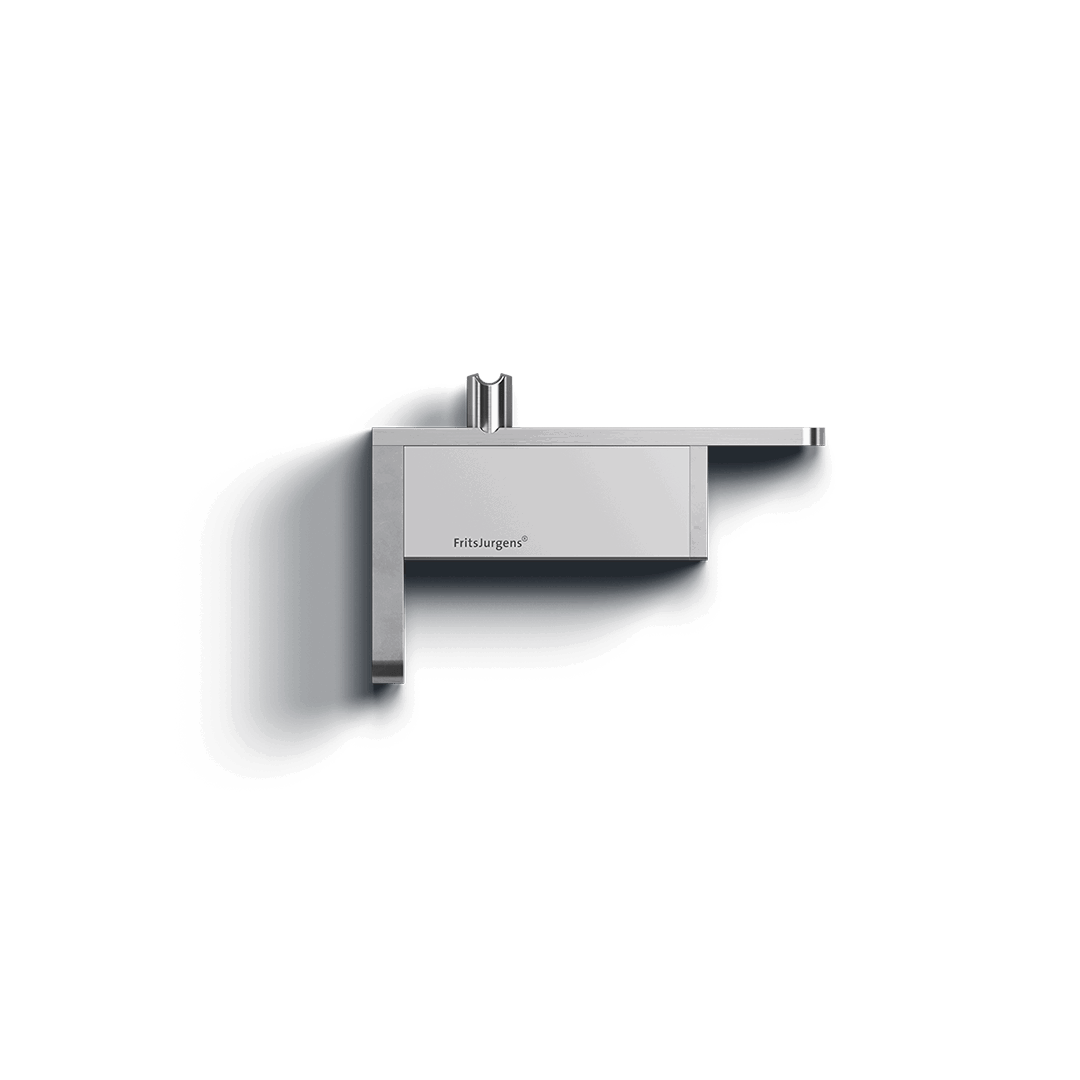
All three are compatible with motorised multipoint lock systems and electronic access control.
For door movement, System M+ provides Damper Control and 30° Speed Control. This gives precise control over the speed and feel of even the largest entrance doors. Latch Control adds a final burst of force in the last 10° of closing, ensuring the door latches consistently every time.
Burglar resistance and security
European standards for forced-entry resistance are defined by EN 1627, which classifies door assemblies from RC1 (lowest) to RC6 (highest) based on their ability to withstand manual attack.
An important clarification: FritsJurgens pivot systems do not hold an EN 1627 certificate.
The RC classification applies to the complete door assembly. Leaf, frame, locks and hinges, all together. Responsibility for RC compliance rests with the door manufacturer and the system integrator, not the pivot hinge alone.
FritsJurgens pivots can be incorporated into RC-classified door assemblies with the right precautions:
Prevent the door from being lifted
The primary vulnerability in a pivot door is the ability to lift the leaf off the floor plate. Three-point locks on both sides of the door are the most effective countermeasure. They prevent the door from being lifted even under significant force.
Secure the top pivot
A metal spacer ring around the mounting pin of the top pivot eliminates the clearance gap between door and ceiling plate, preventing the door from being levered upward. The required thickness depends on the distance used in the specific installation.
For high-security applications, integrate a tested multipoint locking system. A multipoint lock engages at three or more points along the door frame, providing both security and anti-lift protection. For smart building integration, look for systems with tamper detection and smart home connectivity. Always select a system that is compatible with pivot door geometry and verified against the RC class requirement of your project.
FritsJurgens is not responsible for the composition of the door assembly or its RC classification.
Weight, width and selecting the right weight class
Selecting the correct weight class is critical for long-term performance. Door weight alone is not enough information.
The determining factor is lateral force: the rotational load applied to the pivot system as the door swings. A wider door of the same weight produces a higher lateral force, because the load acts over a greater lever arm.
F lateral = door weight × (door width / 2) / pivot distance
A 150 kg door at 1,200 mm wide creates a meaningfully higher lateral force than a 150 kg door at 900 mm wide. Specifying on weight alone risks under-rating the system, and that is a mistake worth avoiding.
Always calculate the lateral force before confirming a weight class. Use the FritsJurgens lateral force calculator for an accurate result, or configure the full system in the selector.
Exterior pivot door specification checklist
Before finalising your exterior pivot door specification, confirm the following:
- Opening direction confirmation
- Door weight and width confirmed → weight class calculated and system selected
- System type confirmed: System M+ (self-closing), System Fx (hold positions), or System One (free swing)
- Flush floor plate specified: Flush Square for aluminium sills, Flush Rounded for wooden or stone sills
- Dropseal and rebate detail resolved. Single or double rebate confirmed with your door manufacturer
- Confirm pivot point offset to give room to dropseals or brushes.
- Electrification required → TP-70, TP-40 or TP-R Class G top pivot with cable grommet specified
- RC class requirement confirmed → multipoint lock partner selected
- Gap dimensions calculated
- Installation partner confirmed → Where to buy
- 24-hour adhesive cure time planned into installation schedule
Discover more pivot door materials
Many applications and appearances are imaginable and possible for exterior pivot doors. Think for example of glass and steel, wood, or even stone. Whatever your preferred material may be, System One is suitable for any type of door with a weight of up to 500 kg.
Different types of materials have been used in pivot doors fitted with FritsJurgens pivot hinges all over the world. Get inspired and create your ideal exterior pivot door.