








Interior pivot doors
Pivot doors are often associated with grand entrances and large, heavy doors. Yet they are equally well suited as interior doors: as room dividers, partition doors or a deliberate design element in homes, offices, hotels, museums and a wide range of other projects.
This page covers the key considerations when specifying a pivot door as an interior door, including its acoustic and soundproofing performance.
Why a pivot door as an interior door?
A pivot door does something a traditional hinged door cannot: it makes the door itself part of the spatial experience. The rotation around a vertical axis, top and bottom, creates a balanced and fluid movement that feels fundamentally different from a conventional door.
Because there is no visible hinge on the side, a pivot door allows far greater freedom in the finish around the opening. This is also where FritsJurgens sets itself apart from traditional pivot systems: with conventional pivot solutions, the mechanism sits in the floor or ceiling, requiring substantial installation work. The FritsJurgens system sits entirely within the door leaf itself. Only small floor plates and ceiling plates are required. This makes installation considerably simpler, reduces the risk where underfloor heating is present, and leaves the area around the door completely clear. The minimal intervention in the existing structure also makes the system suitable for renovation and heritage buildings, where significant modifications to floors or ceilings are often undesirable or not permitted.
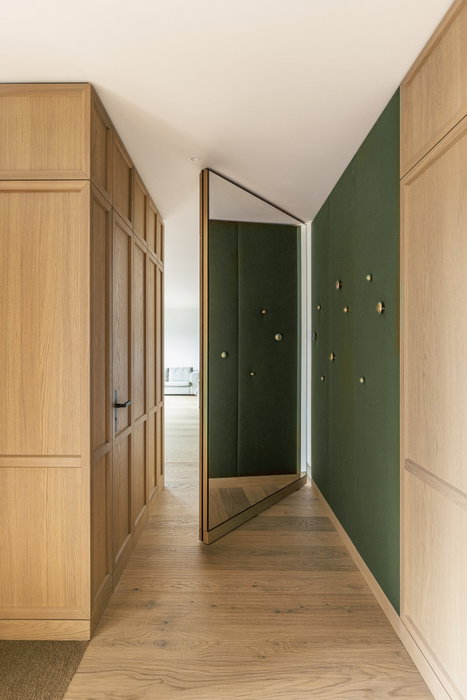
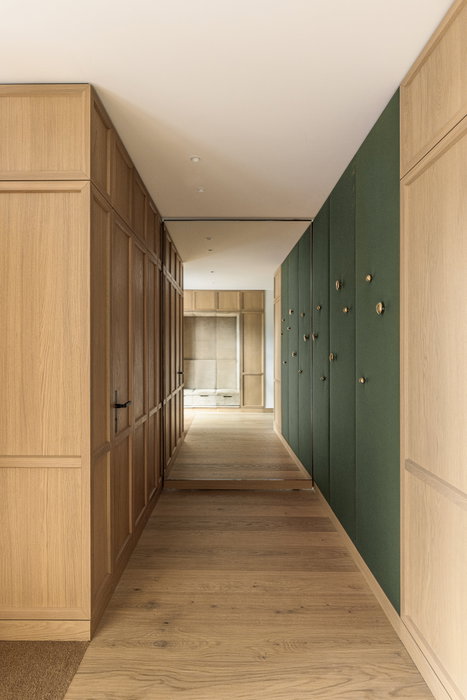
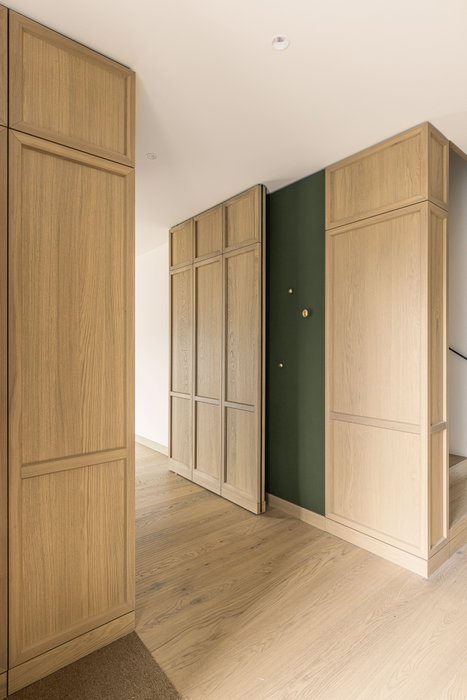
FritsJurgens systems support a wide range of materials: timber, glass, stone, metal. The door thus integrates seamlessly with the interior palette of the project.
Design considerations
Specifying a pivot door as an interior door requires a number of considerations that differ from a standard door.
Every FritsJurgens system has a defined weight capacity of up to 500 kg. Always verify that the door weight falls within the specifications of the chosen system before the design is finalised. Use the FritsJurgens Selector to ensure you select the correct system.
Unlike a standard hinged door, a pivot door can swing on both sides of the pivot point. The floor finish must be level and consistent across the full swing radius, including where two different floor types meet. The door can open in both directions, requiring clearance on either side for the swing arc.
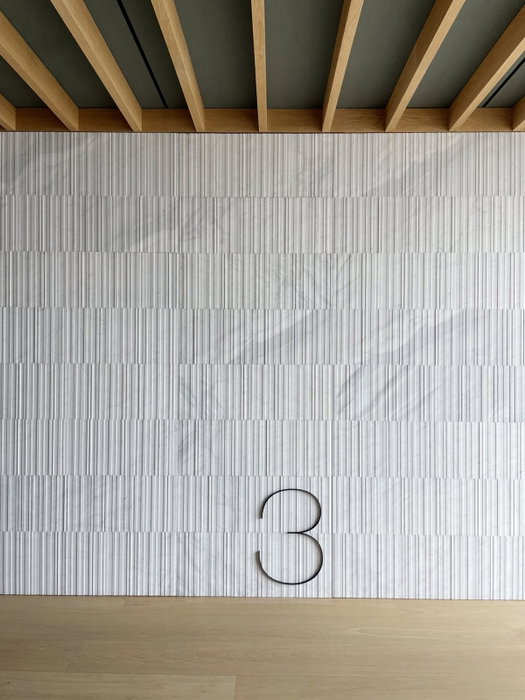

Pivot position and swing arc
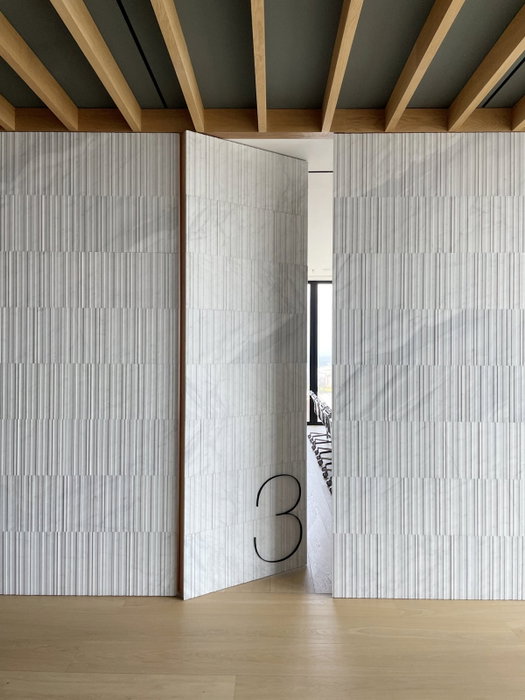
The position of the pivot point determines how the door moves and how much space is required. In FritsJurgens systems, the pivot point is located 40 mm (fixed) or 70 mm (adjustable) from the door edge. In both cases the door rotates asymmetrically: one section is larger than the other. Depending on the system, the 70 mm position also allows the pivot point to be placed at the centre of the door, creating a symmetrical rotation where both halves are equal in size. System M+ does not support centre placement; choose System Fx or System One for a symmetrical rotation.
With side placement, the section of the door behind the pivot point moves in the opposite direction when opening. This requires clear space at the rear of the door, and for larger door formats that swing space is considerable. With a centre-pivot configuration, both halves take up equal space on either side of the pivot point. Consider the choice between side placement and centre placement early in the design process, before furniture placement, wall finishes or ceiling features have been fixed.
Single-action and double-action
Pivot doors can be configured as single-action or double-action, and that choice has direct implications for the finish and performance.
A double-action pivot door swings in both directions and closes freely in the opening without a rebate. This provides maximum openness, but the gaps around the door are not sealed: light, draughts and sound pass freely around the door.
A single-action pivot door closes against a rebate (stop) in the frame. The door sits flush with the wall, the gaps are sealed, and sound, draughts and light are excluded. For projects where acoustics are a factor, single-action is the recommended choice. More on this in the chapter on Acoustic performance.
Structural preparation
A pivot door requires a flat and stable floor across the full swing zone. If the project includes underfloor heating, this need not be a limitation: the pins of a FritsJurgens floor plate penetrate only 8 mm into the floor.
The top pivot requires a solid anchorage, directly into the structure above the opening. For a door with a frame, the top pivot is anchored within the frame; for a floor-to-ceiling door without a frame, the anchorage goes directly into the structure (timber, concrete or steel). Because the FritsJurgens system sits entirely within the door, the installation work remains limited. These are boundary conditions best established early in the design process, preferably in consultation with the contractor or structural engineer.
Dimensions and tolerances
For acoustic pivot doors, tolerances are critical for smooth operation and correct fit against the surrounding structure. The Gap Calculator does not function when the pivot point is set eccentrically in the door, such as when an automatic door bottom seal is used. The required gaps depend strongly on the total door thickness and the detailing of the offset rebate. The clearance above the door is a minimum of 4 mm and a maximum of 10 mm. The floor gap is 11 mm with System M+. With System Fx and System One the floor gap is 7 or 11 mm, depending on the floor plate used.
With large formats in solid timber, wood movement may be a factor. Solid timber can shrink or expand with changes in humidity. Without a rebate, the gaps around the door are always visible, meaning dimensional deviations are immediately apparent. With a rebated door, minor deviations are partly absorbed by the stop.
For large and heavy doors, the door manufacturer must ensure sufficient internal reinforcement to prevent distortion (twisting). This falls outside the scope of the pivot system and is the responsibility of the door manufacturer.
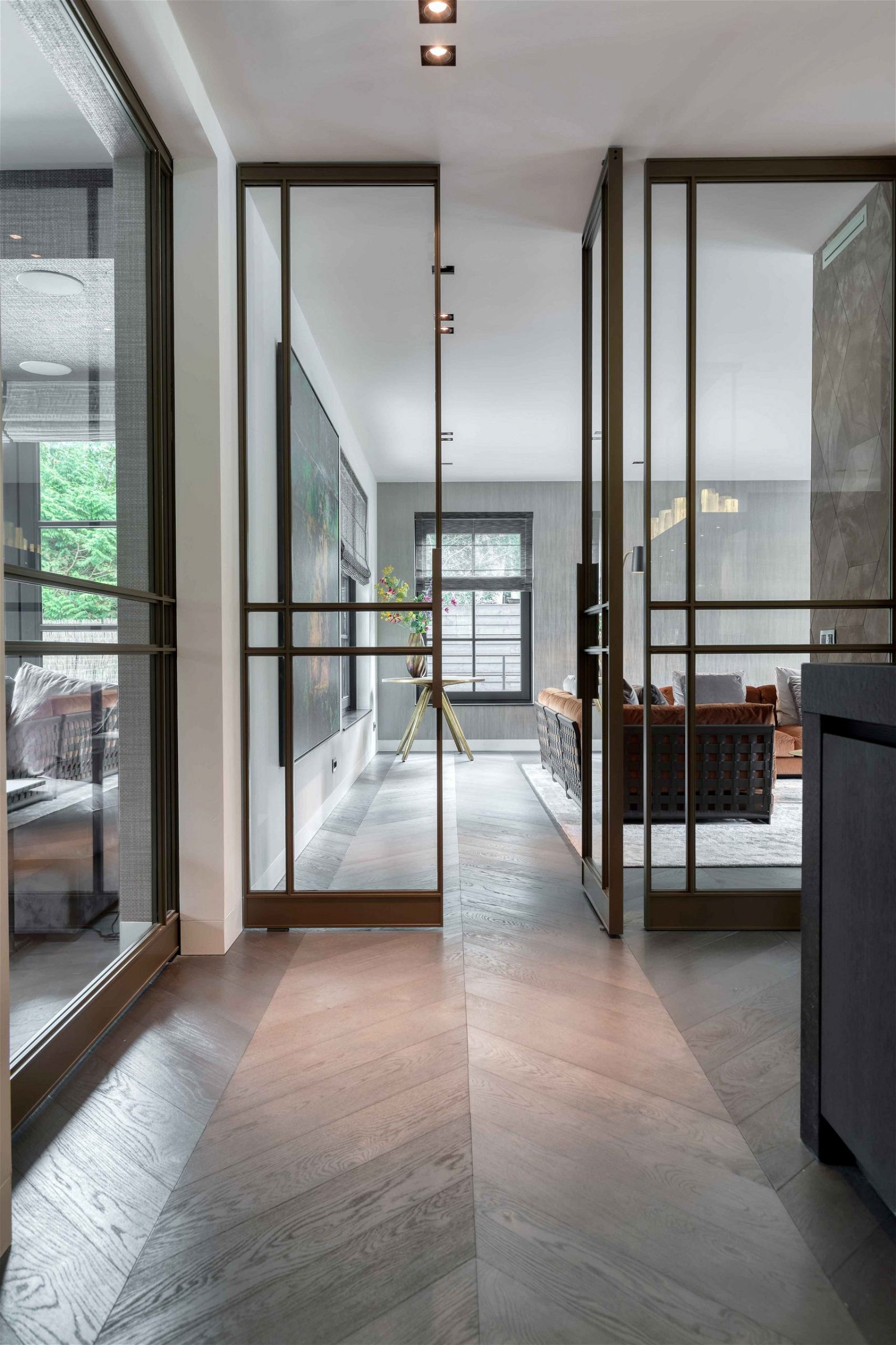
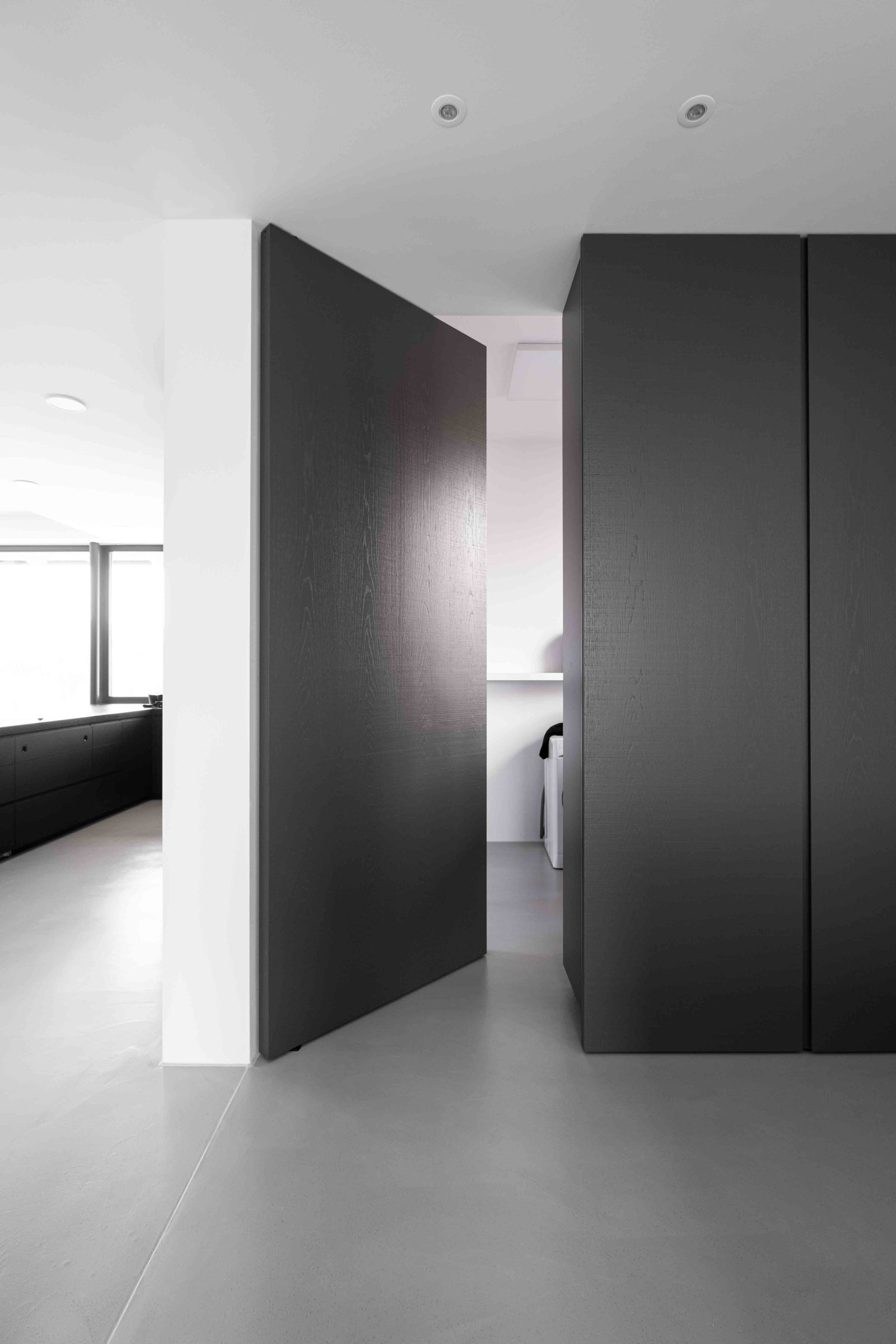
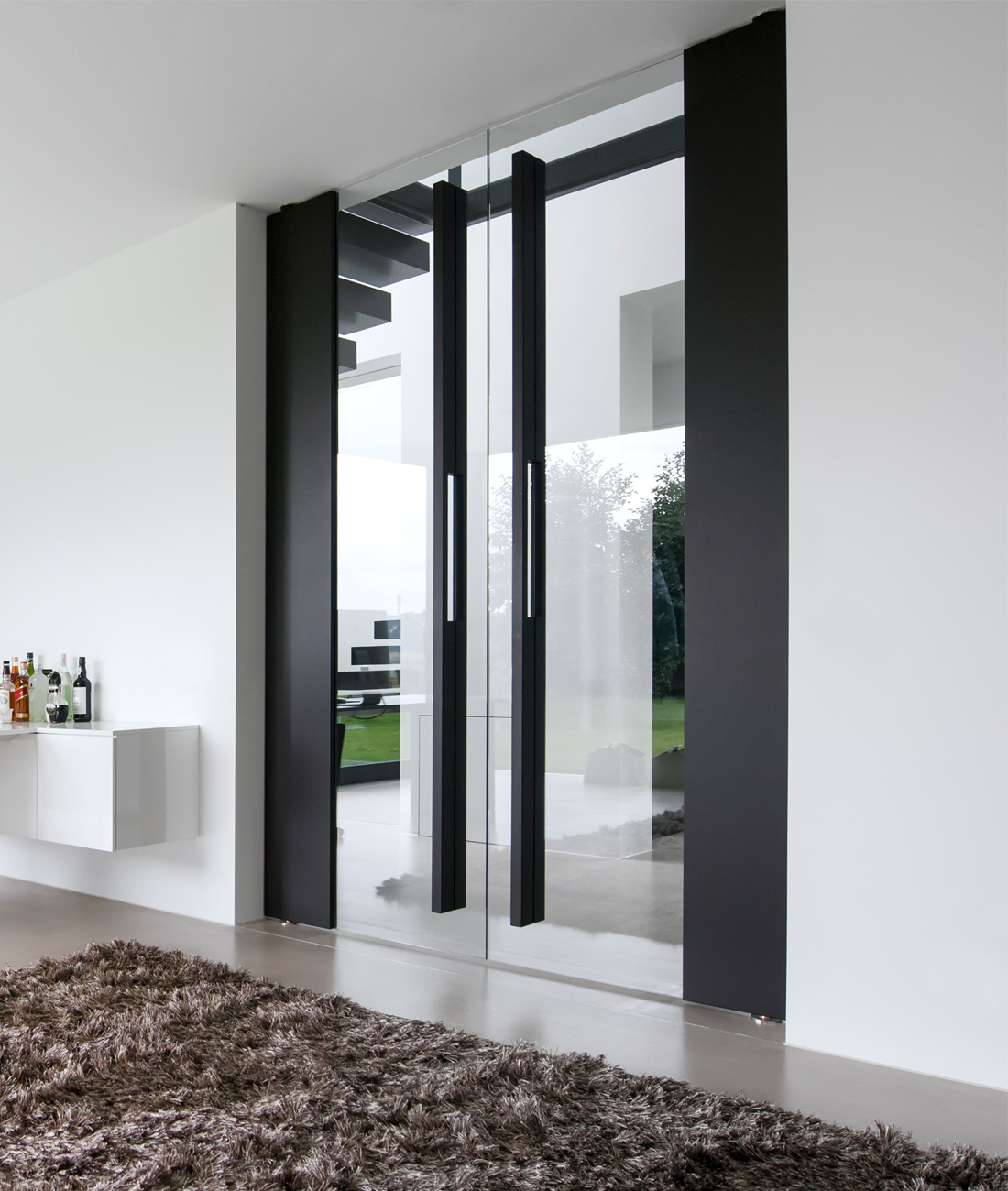
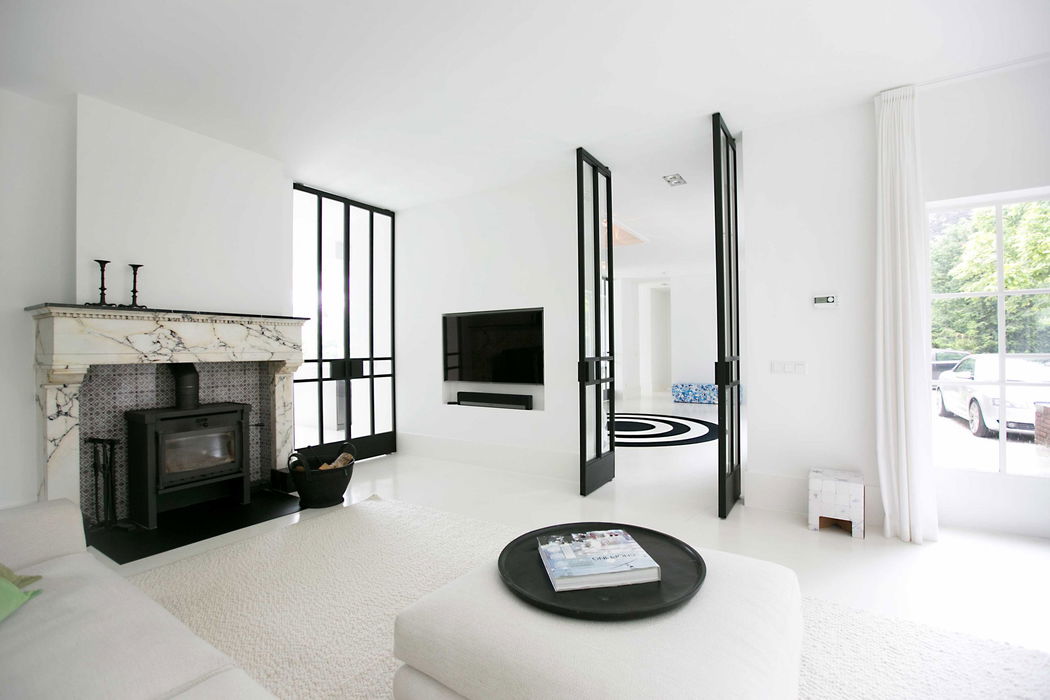
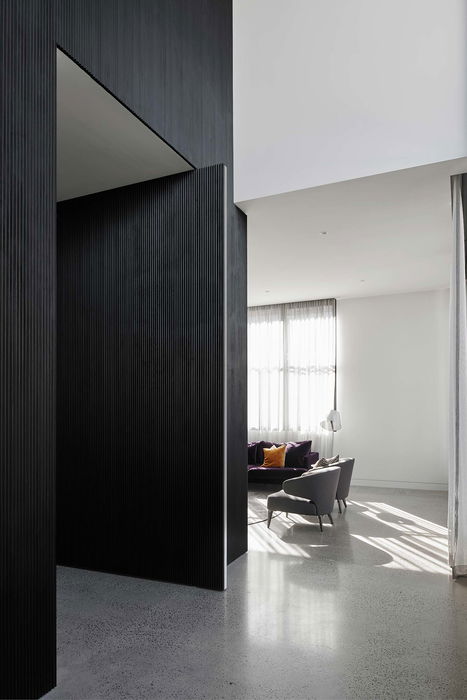
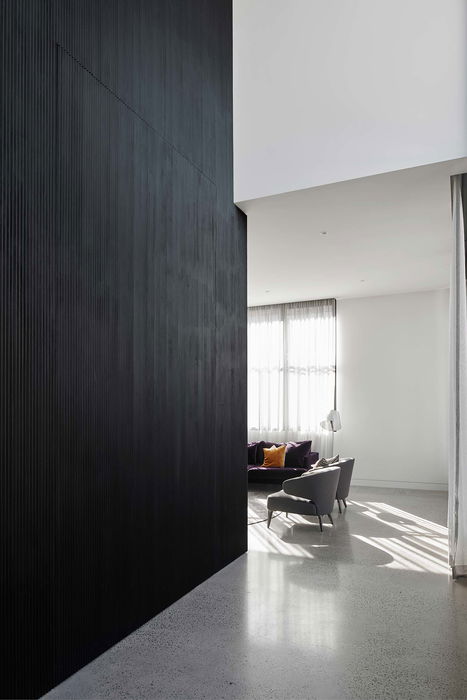
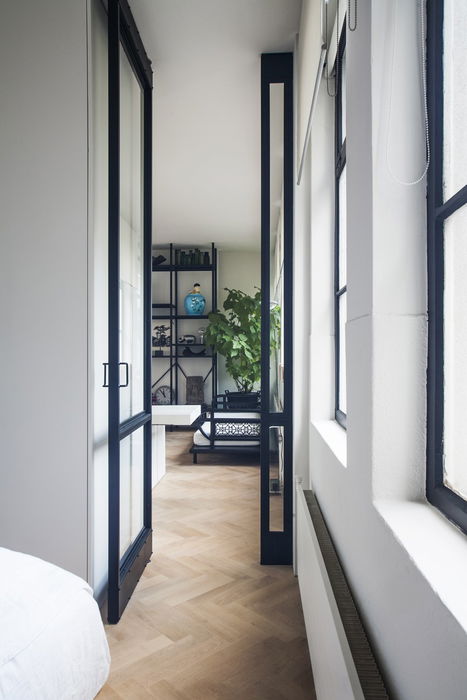
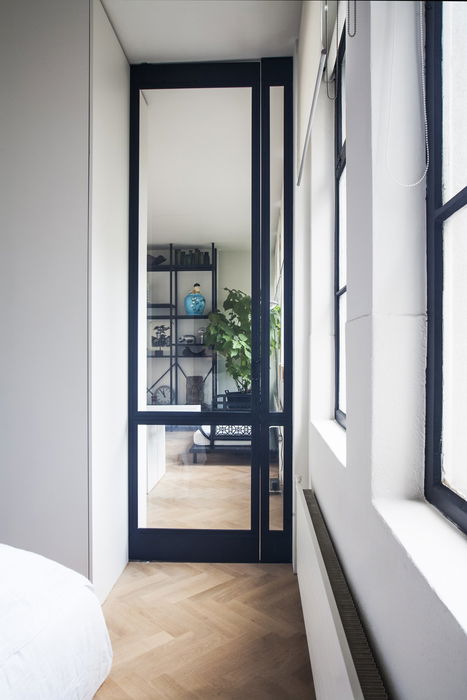
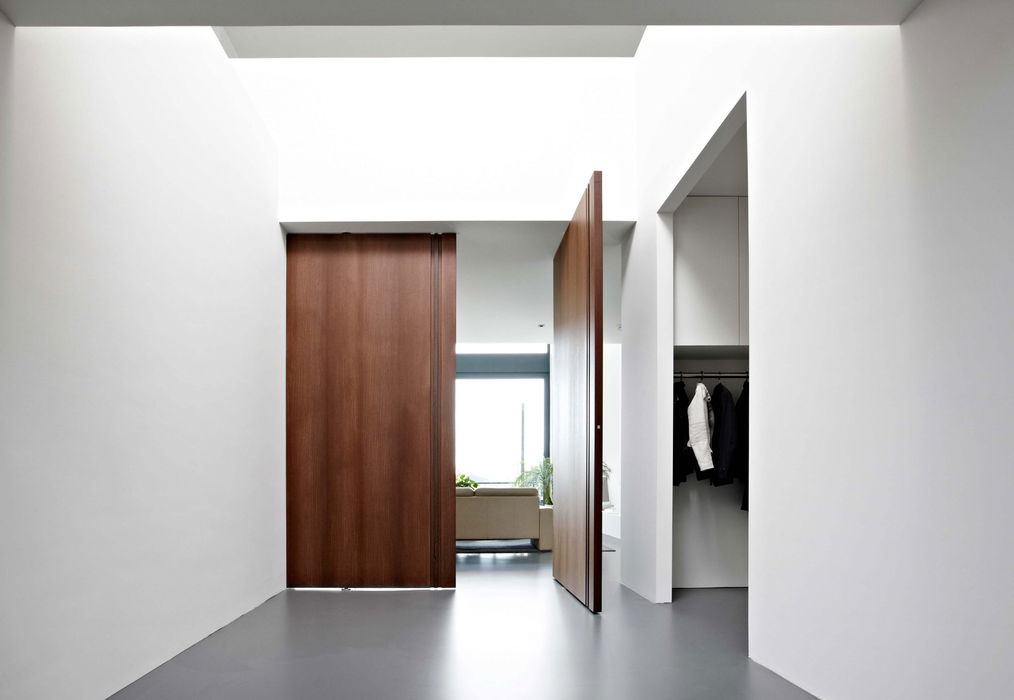
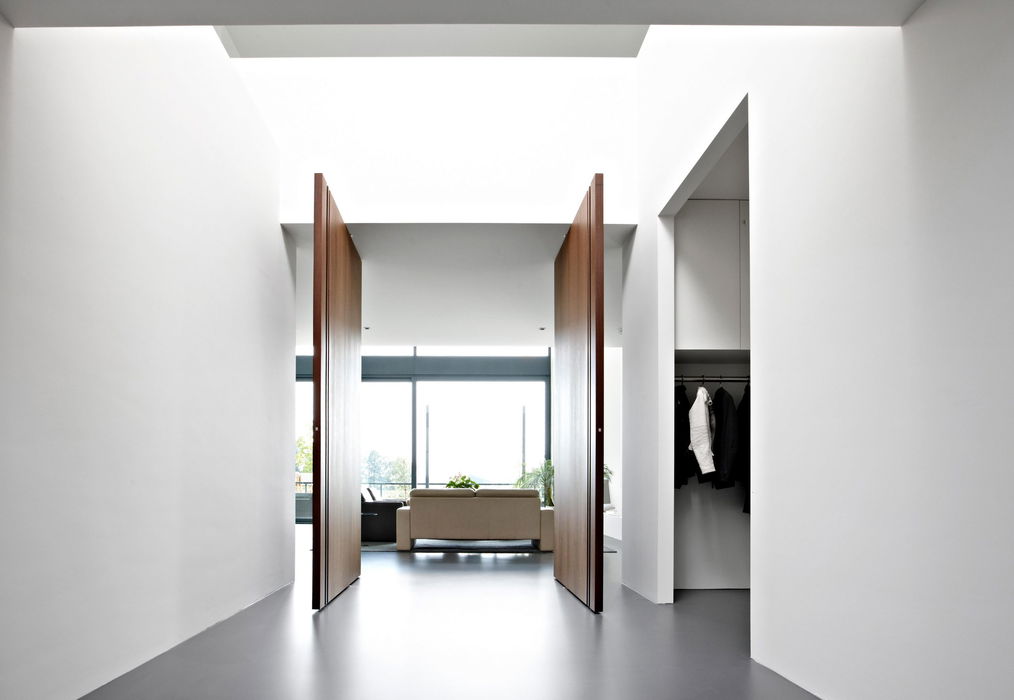
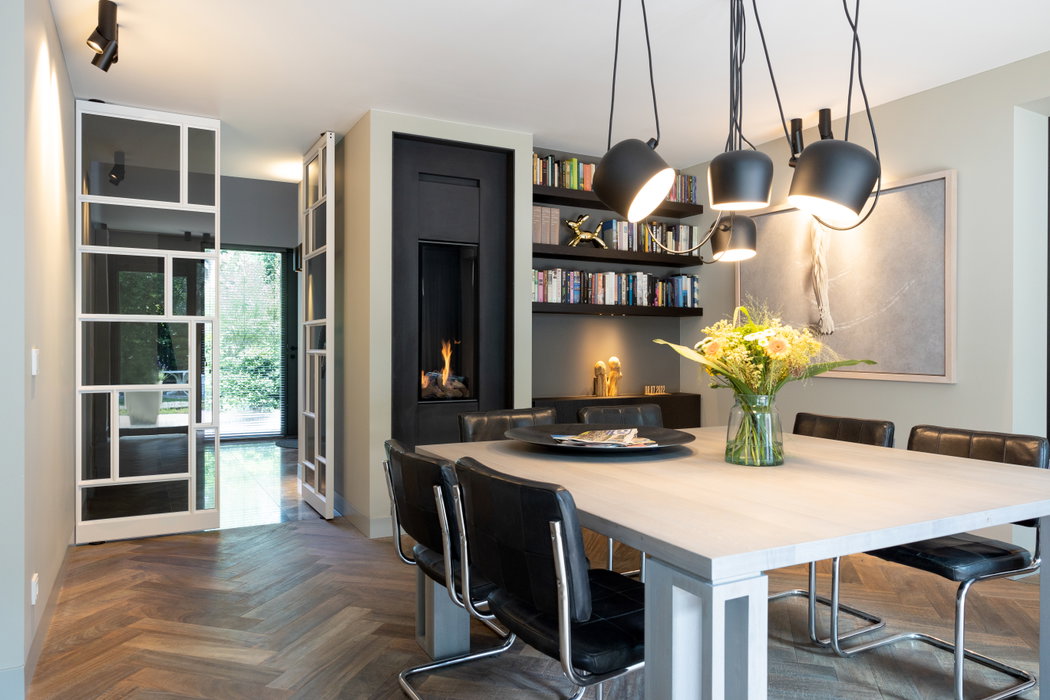
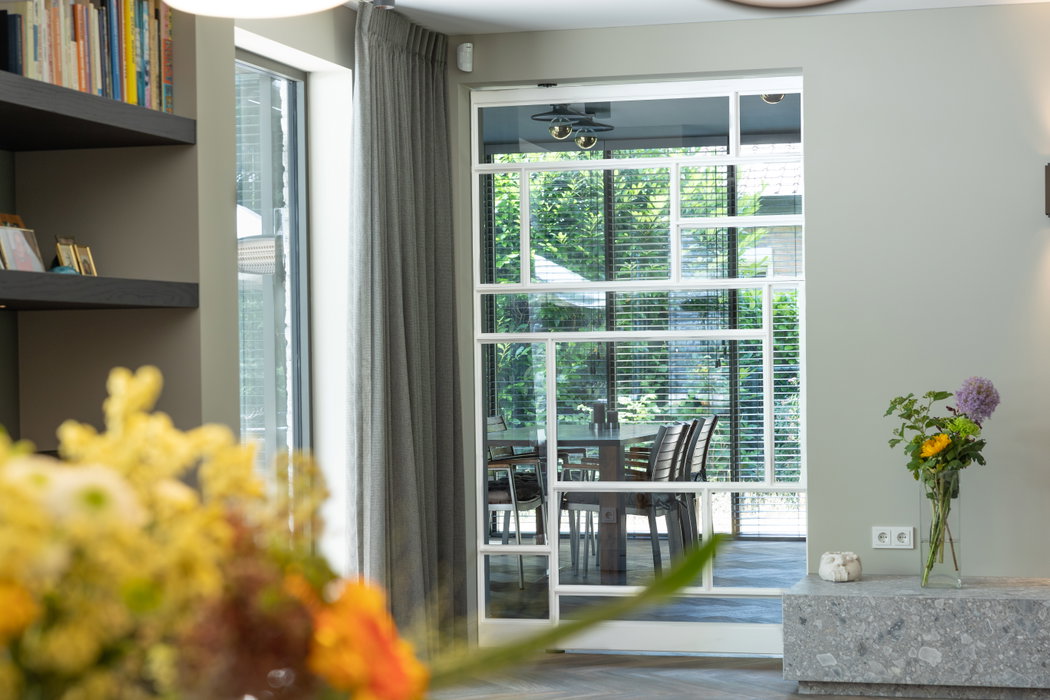
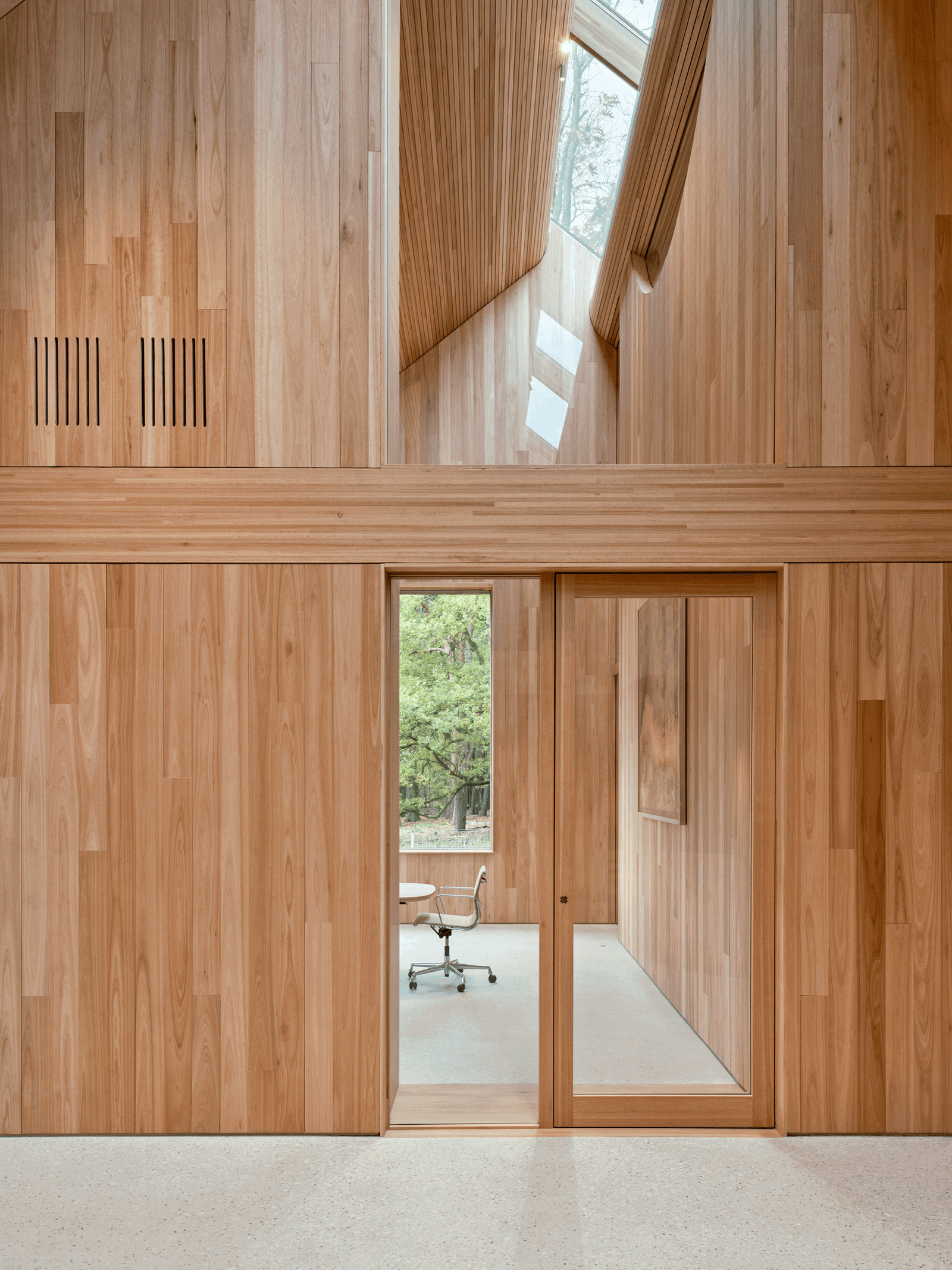
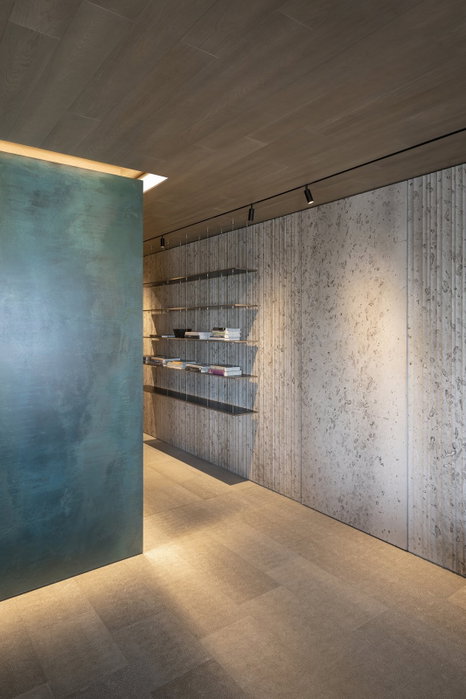
Interior pivot door examples
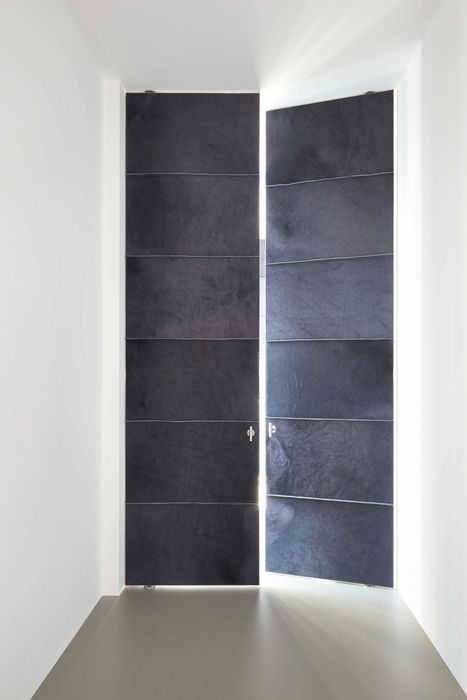

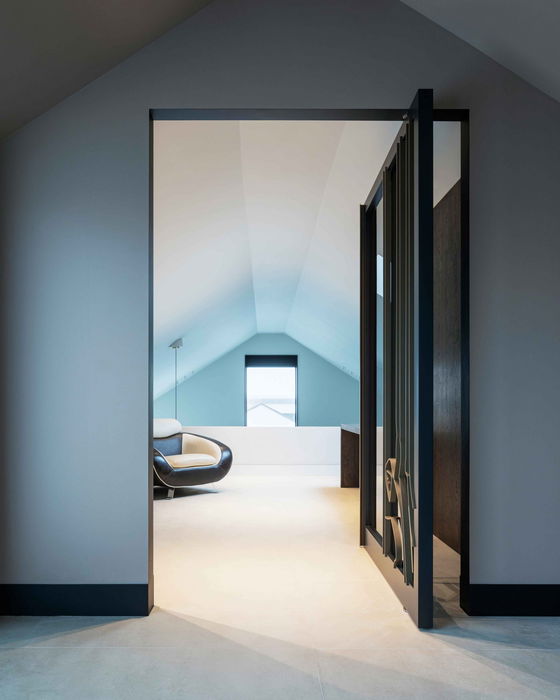
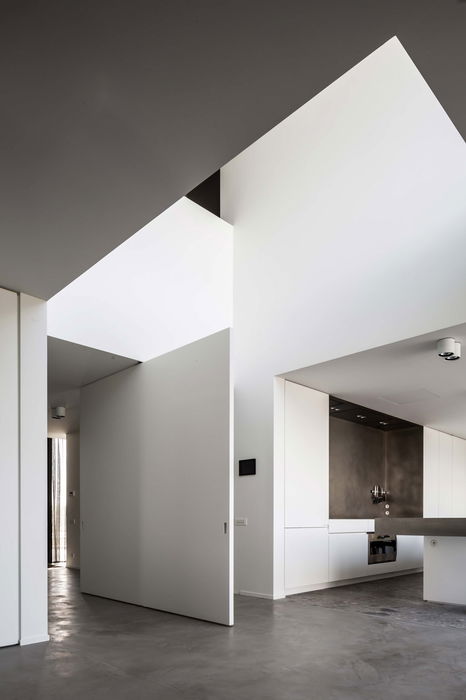

Applications
Pivot doors are specified across a wide range of interior spaces.
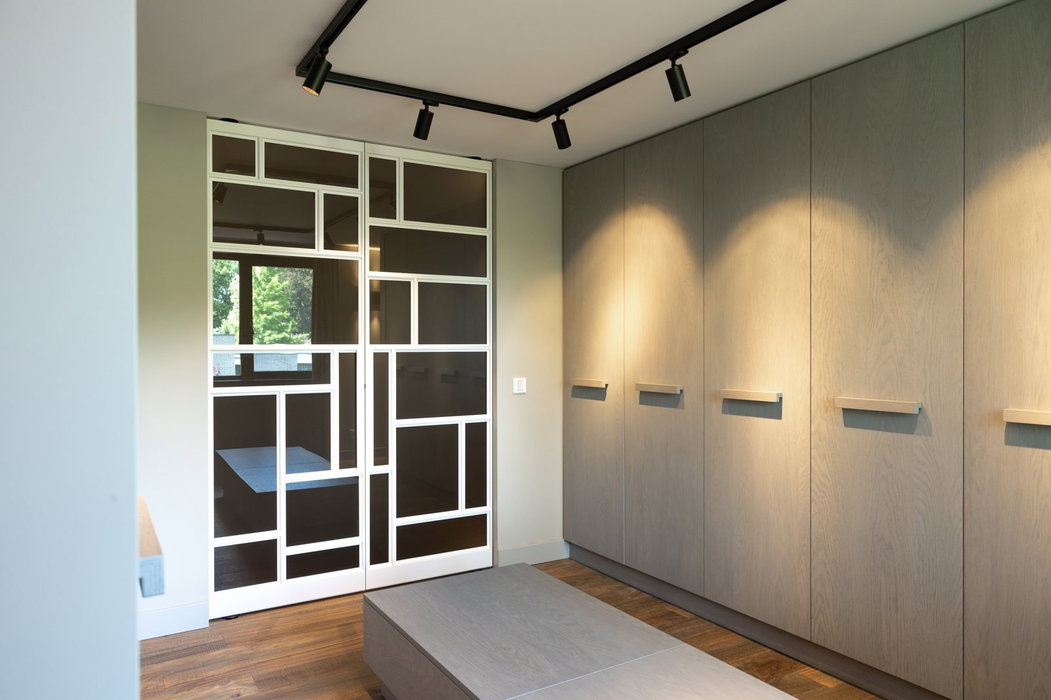
In residential projects we see them connecting the living room to the entrance hall, as kitchen dividers in open-plan interiors, and as access to bedrooms, walk-in wardrobes or home offices. In the hospitality sector they define the entrances to hotel suites, transitions to private dining areas and entrances in spa and wellness environments. In commercial settings they mark boardroom entrances, executive offices and representative reception spaces.
In all these contexts the pivot door functions simultaneously as a practical partition and as a spatial marker. It signals a transition between zones and contributes to the architectural language of the project.
What also sets pivot doors apart is what they enable when open. Depending on the installation, a pivot door can be positioned so that it takes up virtually no wall space, causing the two zones on either side to merge visually. For projects where spatial continuity is a deliberate design choice, a pivot door thus offers possibilities that a traditional door does not.
A pivot system is not limited to the classic door in an opening. It is also used in partition walls that simultaneously function as a door, and in double configurations where two panels together form a single opening.
Acoustic performance: building a soundproof pivot door
A pivot door looks different from a traditional door and genuinely operates differently. A pivot door rotates around a vertical axis point at the top and bottom and, in the case of acoustic doors, closes against a rebate. This raises understandable questions about sound insulation, and those questions are legitimate. Precisely because the operation differs, a pivot door places different demands on the sealing.
Yet this need not be an acoustic obstacle. When the complete solution is correct, with the right system and the right seals, acoustic performance is comparable to that of a traditional door. It is about the coherence of all the components. It is not about the hinge.
What determines acoustic performance?
The acoustic performance of any door, pivot or conventional, is determined by the weakest point in the assembly. A high-quality acoustic door leaf offers little value if the gaps around it are not properly sealed. Sound follows sound leaks: a single open gap can undermine the entire acoustic performance.
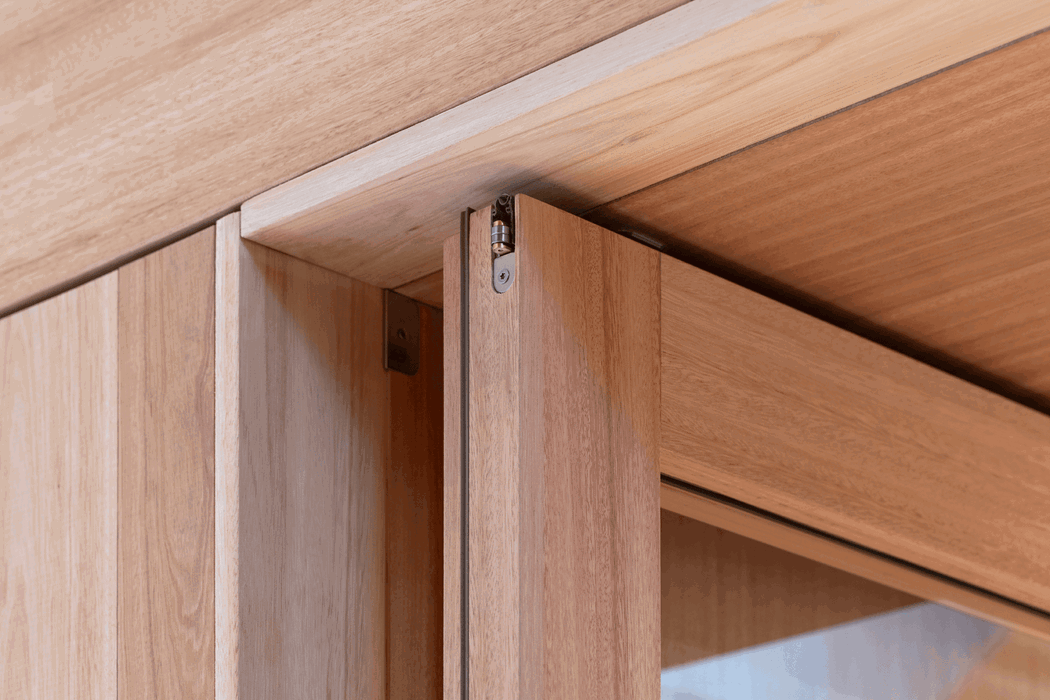
For a pivot door, the critical sealing points are the pivot seams at the top and bottom, where the door edge meets the opening; the sides, where the rotating door moves along the wall surface; and the floor gap beneath the door. Each of these points requires a well-considered sealing solution. The correct combination depends on the door format, the floor finish and the acoustic objective.
When determining the acoustic objective, two values are generally used. The Rw value is the sound insulation of the door leaf itself, measured in a laboratory. More realistic is the Rw,p value, which measures the sound insulation of the complete door set, door leaf, frame, automatic door bottom seal and ironmongery, in the installed condition. This is the most representative value for actual in-use performance.
Sealing and closing pressure
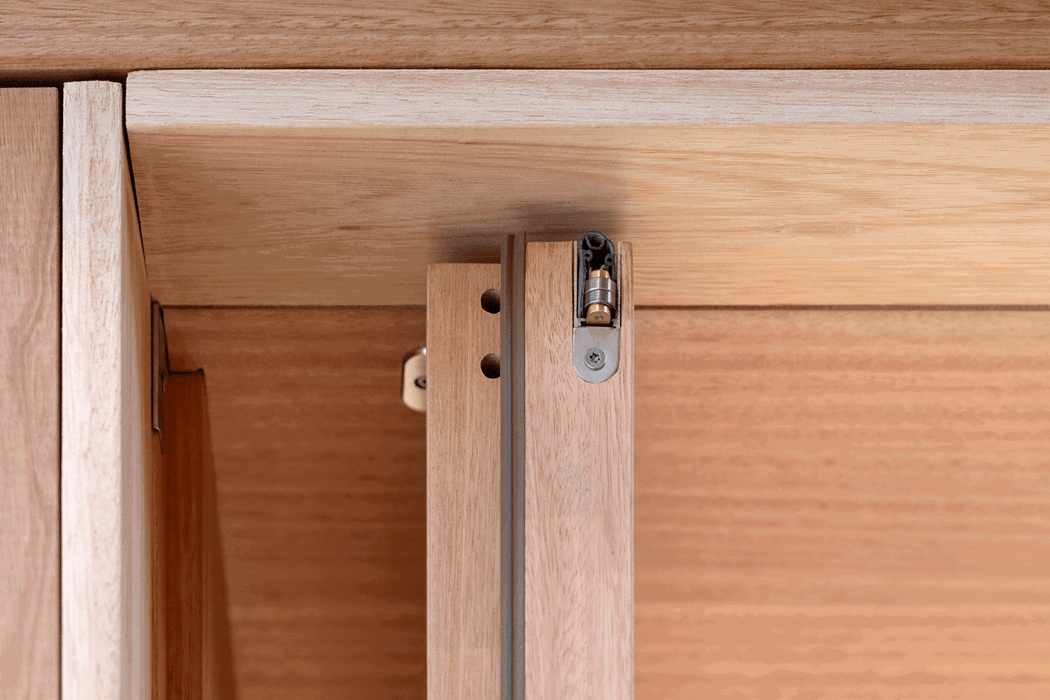
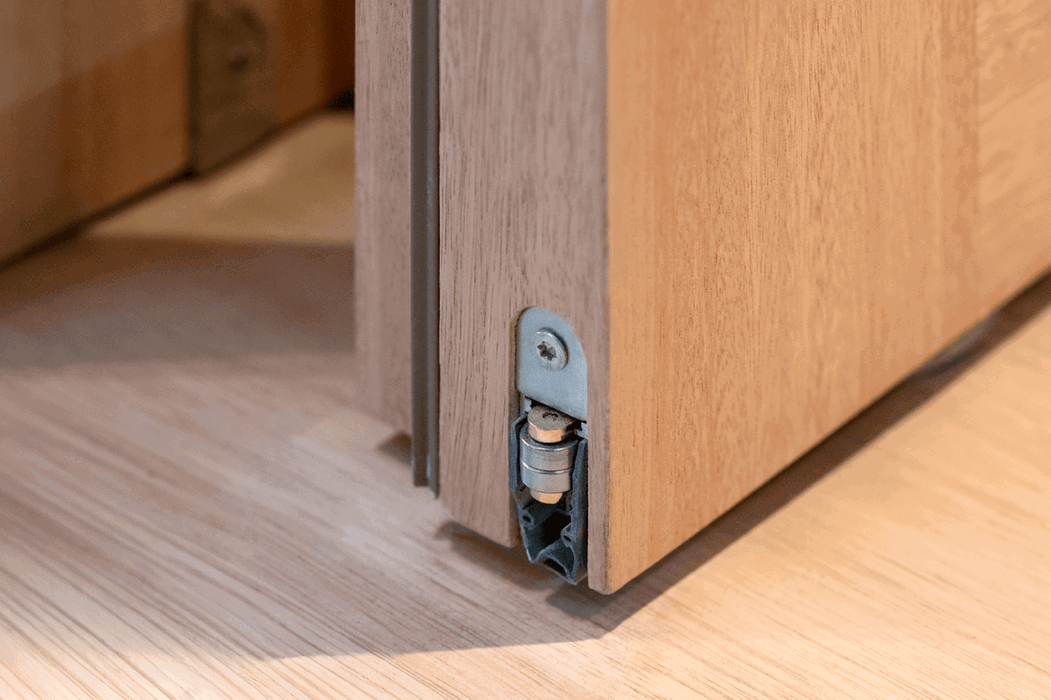
Optimal acoustic performance requires a single-action configuration. Only then is a full perimeter seal possible. Sealing profiles along the sides and top consist of rubber gaskets that close the gap between the door and the frame. It is essential that the door exerts sufficient pressure against these gaskets on closing, across the full height of the door. Without that closing pressure the gaskets compress insufficiently, leaving room for sound leakage. An automatic door bottom seal, a seal that slides down automatically at the bottom of the door to close the floor gap at the moment of closing, is equally essential.
With a single rebate, where the door closes against one stop, pivot-specific automatic door bottom seals are the right choice. These are engineered for the exact movement line of a pivot door.
With a double rebate, where the door closes into a fold on both sides, magnetic seals work well. They close reliably regardless of small variations in the closing position.
The door leaf
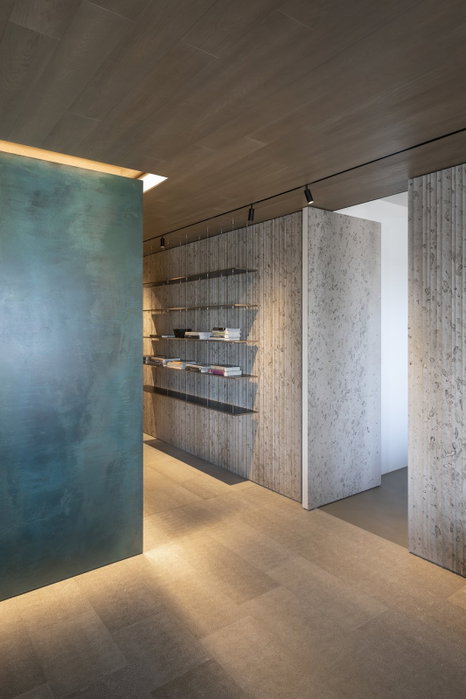
The door leaf itself is also decisive. Both the mass and the choice of materials determine to what extent sound is blocked (the Rw value of the door leaf reflects this). A layered, carefully bonded construction using different materials attenuates better than a single-material construction, because resonance is counteracted. A ventilation grille in the door leaf renders every acoustic measure pointless. The door manufacturer determines the construction and aligns it with the desired Rw value.
Reference values
For reference: for pivot doors where acoustics is a design requirement, a Rw of 37 dB or higher is commonly specified in practice. At a Rw of 40 dB, a normal conversation in the adjacent space is no longer intelligible.
Flanking sound paths
A principle that is often overlooked applies here: the wall in which the door is placed must achieve at least a better insulation rating than the door itself. Only then can the pivot door deliver its full acoustic value. Equally important is preventing flanking sound: sound that enters the space not through the door but via the surrounding structure such as walls, floor or ceiling. The most common sound leaks are untreated cable penetrations, service voids, skirtings or ventilation grilles in the adjoining wall, floor or ceiling. The ceiling is often one of the largest sources of sound leakage. A well-performing acoustic pivot door therefore requires careful detailing of the entire opening and its surroundings.
System advice for acoustic and soundproof doors
- System Fx is the recommended choice for acoustic interior pivot doors. Its mechanical hold position at 0° presses the door firmly into the frame and lets the acoustic seals compress and close fully. System Fx tolerates the additional resistance of seals well.
- System M+ is also possible, but the additional resistance from heavy seals and drop seals must be checked per project to ensure the closing force is sufficient.
- System One is suited to wall and multi-leaf configurations where the lock determines the 0° position.
Want to know more about the construction of an acoustically effective pivot door? Download our technical guide for acoustic pivot doors.
Acoustic sealing of an interior pivot door
The right system for your interior pivot door
Which system suits your door?

System M+
Self-closing with soft close
System M+ is the choice when the door needs to close automatically. The system has three adjustable control elements:
- Damper Control: regulates the opening resistance and closing speed.
- 30° Speed Control: regulates the closing speed in the final 30°, so the door arrives softly.
- Latch Control: provides extra closing force in the final 10° for reliable engagement.
Typical applications: offices, hotels, luxury residences, doors with a lock.
Weight classes: AA to G (20 to 500 kg).

System Fx
Free-swing with hold positions
System Fx is a free-swing pivot system with strong hold positions at 0°, 90°, 180° and 270°, without a closing function.
Typical applications: high-traffic doorways where doors stay open as standard, pivoting walls, and acoustic interior doors.
Recommended for acoustic applications.
Weight classes: A, C, G (20 to 500 kg).

System One
Fully free-swing
System One has no resistance and no hold positions. It is the most compact FritsJurgens system (162 x 32 x 18 mm). Ideal for minimalist applications or situations where the door must never encounter resistance.
Weight classes: G (0 to 500 kg).
Top pivots
The connection between door and ceiling or top frame
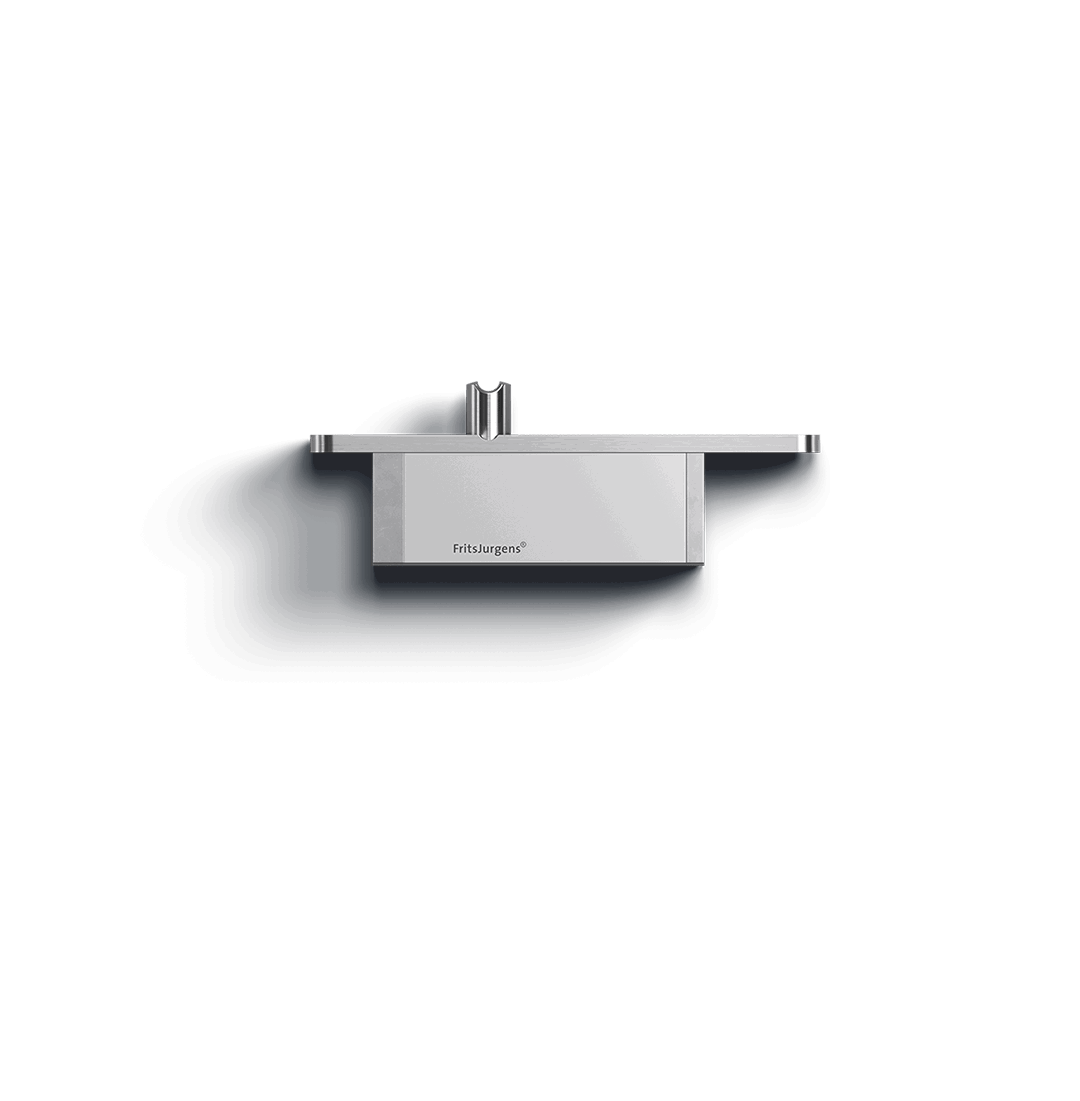
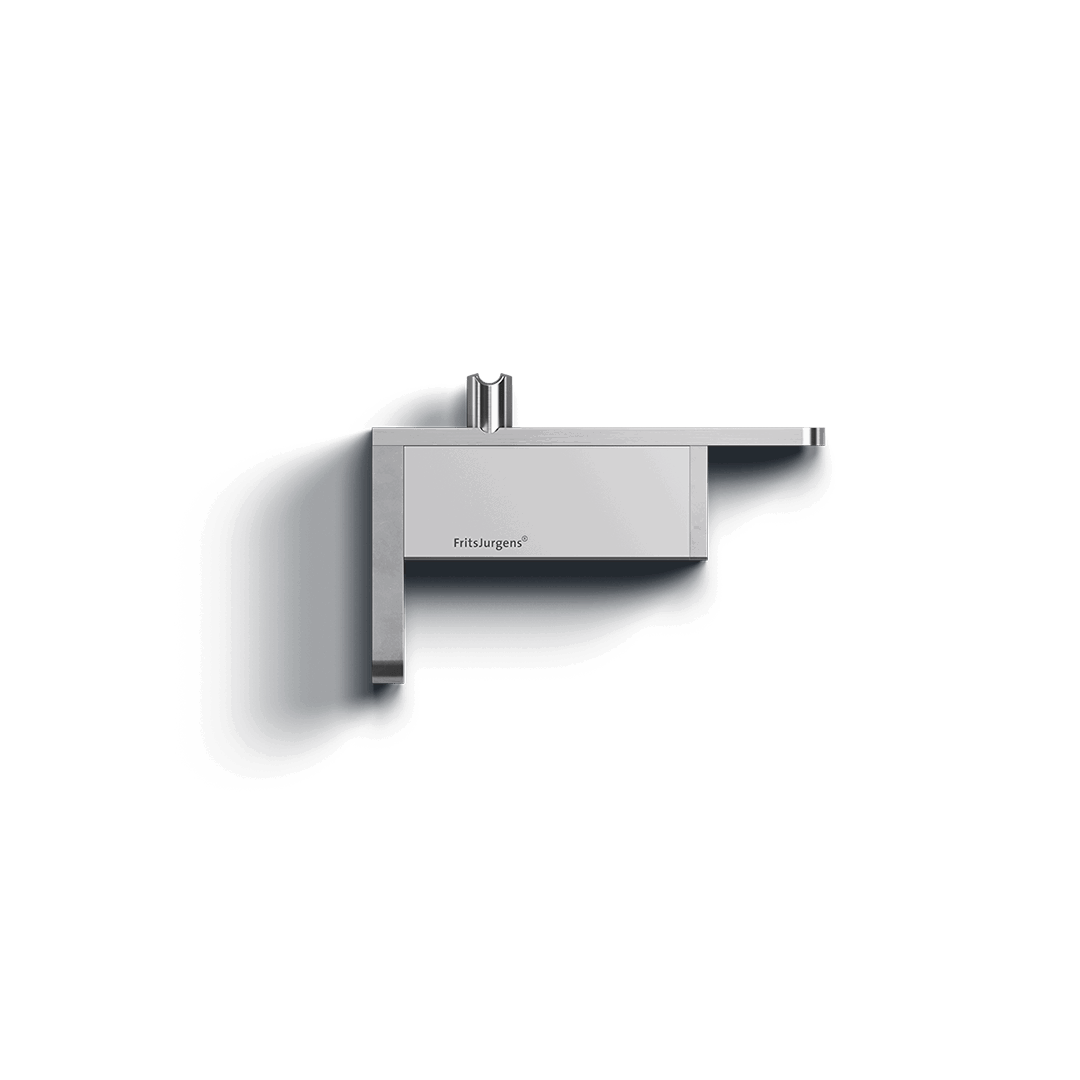
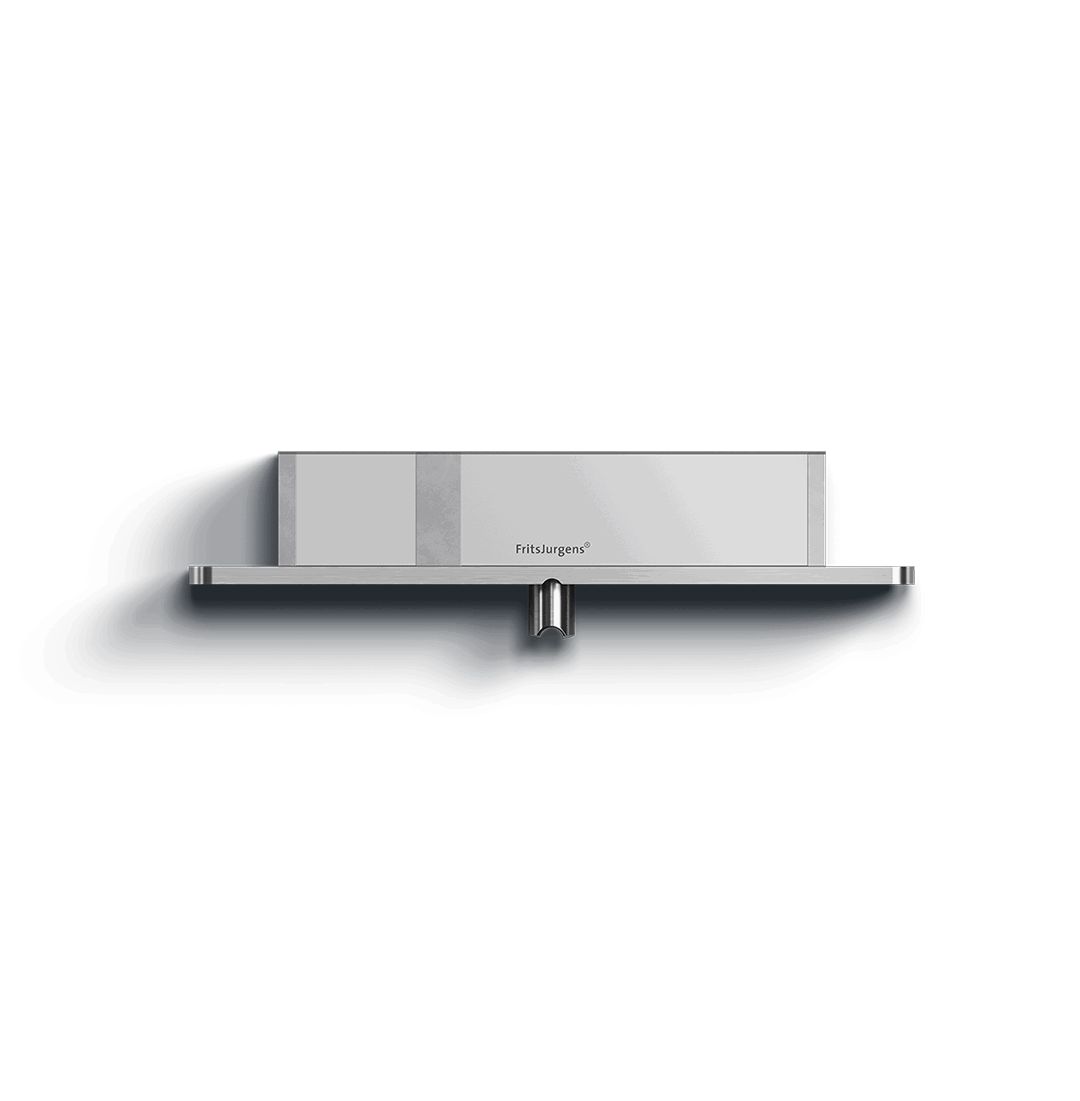
The top pivot connects the top of the door to the ceiling or top frame. The choice depends on the desired pivot position and the available space in door and frame.
The Top pivot 70 mm (TP-70), Top pivot 40 mm (TP-40) and Top pivot Reversed (TP-R) are suited to doors up to 500 kg.
| Top pivots and when to use them | |
|---|---|
| TP-70 | Adjustable from 70 mm. The standard choice for most projects. |
| TP-40 | Fixed pivot point at 40 mm. Maximum door width, no adjustment needed on the hinge side. |
| TP-R | Adjustable from 130 mm. When there is no room in the door itself; the pivot sits in the ceiling. |
Floor plates
The only visible part at the bottom of the door
The floor plate is the only visible part at the bottom of the door. It is recessed 8 mm into the floor and is available in two shapes:
| Floor plates and when to use them | |
|---|---|
| Squared (S) | Rectangular. The standard choice for interior applications. |
| Round (R) | Round. For interior applications with an aesthetic preference for a round form. |
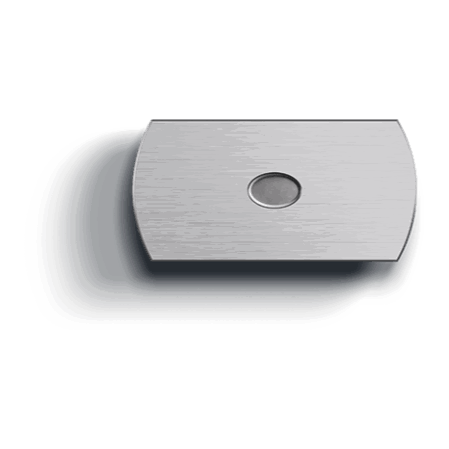
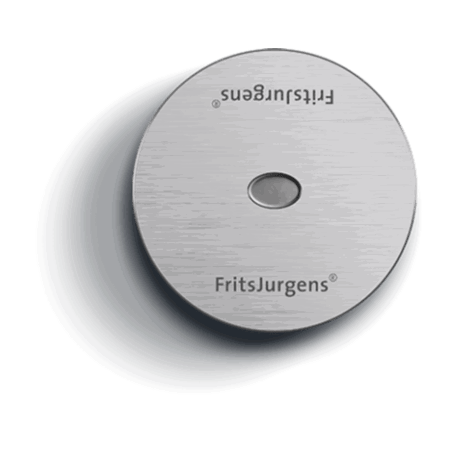
Both versions are available in stainless steel (SS) or PVD black (BK), are fully scratch-resistant, and are radially adjustable after mounting.
For standard interior floors, 8 mm mounting pins are used. For parquet or poured floors, 30 mm mounting pins are available that anchor deeper.
Floor plates with acoustic doors
With an acoustic door using an automatic door bottom seal, a standard floor plate (S) is used. The drop seal must be mounted at sufficient distance from the floor plate inside the door. The distance depends on the pivot point position and door thickness. Consult the door manufacturer for the correct guidance.
Specifying
FritsJurgens pivot systems are available through a worldwide network of certified dealers and distribution partners. Our team supports architects, interior designers and door manufacturers throughout the entire project process, from initial system selection to installation.
System selection
Not yet certain which system suits the project? Use the FritsJurgens Selector to identify the right system based on door weight, desired functions and mounting.
Technical documentation
Download the product overview for dimensions, tolerances and installation data. For acoustic applications, our technical guide for acoustic pivot doors is available.
Contact and advice
For complex projects or specific design questions, our specialists are on hand. Get in touch for project support, samples or a quotation.
Checklist for specifiers
Before specifying a pivot door, these are the key questions:
- What is the weight of the door, including the chosen material and finish?
- What pivot position is required: side placement or centre placement?
- Single-action or double-action: does acoustics, airtightness or draught exclusion play a role?
- Is the floor finish level and consistent across the full swing zone?
- Is a solid anchorage available above the opening?
- Are the tolerances of the opening in line with the system specifications?
- Is acoustics a design requirement? If so: what Rw value is required, and is an automatic door bottom seal included?